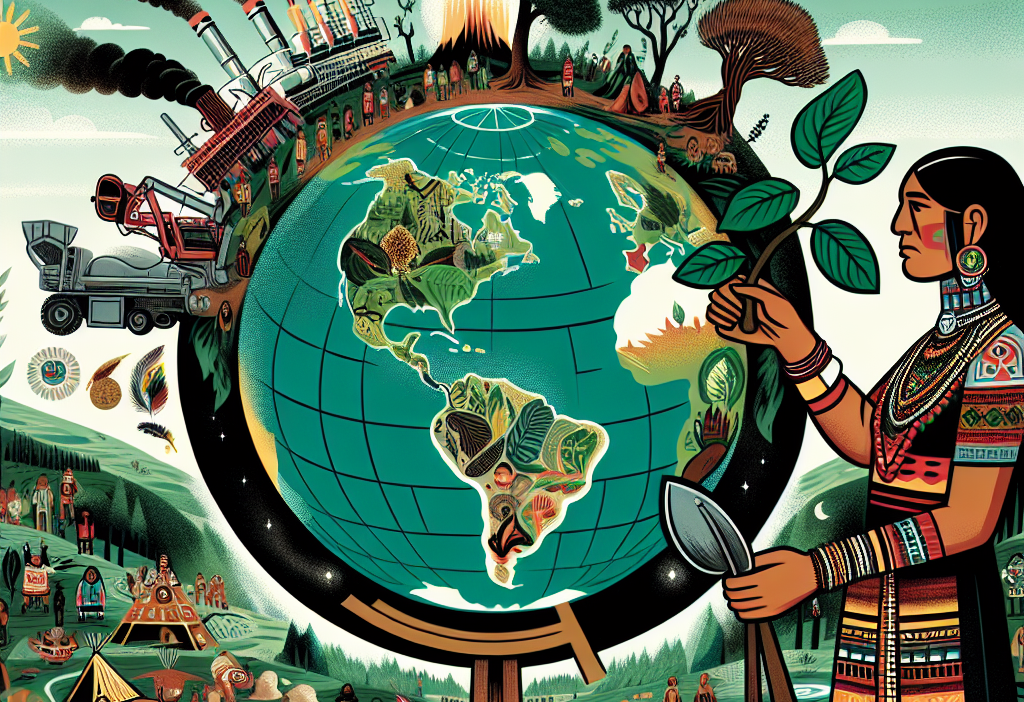
Land Alienation: A Silent Crisis Facing Indigenous Peoples Worldwide
Introduction
Imagine a world where the land you belong to, historically rich in spiritual, cultural, and economic significance, is suddenly taken away from you. This isn’t just a dark tale from history; it’s the reality that Indigenous peoples face today due to land alienation. Land alienation: a silent crisis facing Indigenous peoples worldwide is not merely a theological or philosophical concern, but an urgent and pressing issue deserving global attention.
In this article, we will uncover the intricate layers of land alienation, exploring its implications, causes, and real-world effects on Indigenous communities across the globe. Land alienation isn’t just a loss of territory; it’s a denial of identity, autonomy, and culture. We aim to dissect this crisis while providing actionable insights to encourage advocacy and support for Indigenous rights.
Understanding Land Alienation
What is Land Alienation? 🌍
Land alienation refers to the process through which Indigenous populations are dispossessed of their ancestral lands, losing their rights to use and manage those lands. This process can occur through various mechanisms: forced displacement, legal inequality, corporate expansion, and ineffective governmental policies. It’s not just about land; it’s about the very essence of identity and heritage.
The Historical Context
Colonialism’s Shadow
The roots of land alienation can be traced back to colonial practices where European powers appropriated vast territories, often justifying these acts with claims of "civilizing" Indigenous populations. Today, this legacy continues to manifest through laws and policies that favor economic development over Indigenous land rights.
Global Effects of Land Alienation
Cultural Disintegration: Indigenous cultures are intrinsically linked to their lands. Loss of land often leads to language extinction and the erosion of cultural practices.
Economic Marginalization: With land taken away, Indigenous communities face rising poverty levels and economic struggles, as traditional means of subsistence are undermined.
- Environmental Degradation: Indigenous stewardships have traditionally been sustainable, and loss of land often leads to ecological imbalance due to external exploitation.
Current Examples of Land Alienation
To illustrate the reality of land alienation, let’s delve into some regions where this issue is particularly pronounced.
North America: Many Indigenous tribes continue to fight against pipeline constructions that threaten their waters and lands, arguing that these lands hold sacred significance.
- Amazon Rainforest: Indigenous groups face threats from deforestation and encroachment by agricultural interests. The pursuit of profit continues to displace both people and wildlife.
Table 1: Global Land Alienation Statistics
| Region | Percentage of Land Alienation | Major Impacts |
|---|---|---|
| North America | 30% | Economic loss, cultural disintegration |
| South America | 50% | Environmental degradation, loss of biodiversity |
| Africa | 20% | Economic marginalization, social instability |
The Mechanisms of Land Alienation
Legal Frameworks and Policies
The Role of Governments
Governments often enact policies that facilitate land alienation, often under the guise of national development. Legislation can favor private investors over Indigenous claims, thus exacerbating inequities in land ownership.
International Laws and Agreements
While there are frameworks like the United Nations Declaration on the Rights of Indigenous Peoples (UNDRIP) that advocate for the protection of Indigenous land rights, implementation remains weak. Many governments sign but fail to enforce these commitments.
Corporate Interests
The Role of Multinationals
In an ever-globalizing world, corporate interests often take precedence. Multinational corporations pursue land for mining, agriculture, and infrastructure, oblivious or indifferent to the rights of Indigenous peoples.
Case: Palm Oil Production in Indonesia
In Indonesia, vast tracts of forest land are being converted into palm oil plantations, displacing Indigenous groups. The conflict between corporate greed and Indigenous rights has resulted in violent confrontations, and yet the demand for palm oil continues to rise.
The Socioeconomic Impacts of Land Alienation
Education and Health Disparities
Limited Access to Resources
Loss of land rarely affects just land; it radiates outwards, degrading access to education and healthcare. Many Indigenous communities lack basic utilities and infrastructure, perpetuating cycles of poverty.
Mental Health Concerns
The psychological impact of land alienation is profound. Detachment from one’s ancestral home can lead to feelings of hopelessness and despair, resulting in increased mental health issues within Indigenous communities.
Community Resilience and Responses
Despite the odds, Indigenous communities have shown remarkable resilience:
Cultural Revitalization: Many are fighting back with cultural programs to preserve their heritage, celebrating their languages and traditions.
- Legal Challenges: Numerous Indigenous groups have successfully challenged land deals in court, asserting their rights and educating the public.
Chart 1: Indigenous Community Responses to Land Alienation
| Strategy | Description | Impact |
|---|---|---|
| Cultural Revitalization | Programs to teach language & traditions | Strengthened identity |
| Legal Challenges | Lawsuits against governments/corporations | Raised awareness & rights |
| Partnership with NGOs | Collaborations for advocacy & resources | Increased support & resources |
Activism and Advocacy for Indigenous Rights
Grassroots Movements
Indigenous rights movements have gained traction worldwide, pushing back against land alienation. Activists are employing both traditional forms of protest and modern tools like social media to spread awareness.
Global Solidarity
International coalitions, such as the Indigenous People’s Movement, highlight the interconnectedness of struggles faced by Indigenous peoples worldwide. Building solidarity is crucial as these communities rally for shared rights.
Successful Campaigns
- Standing Rock Movement (USA): Resistance against the Dakota Access Pipeline was a landmark event that not only showcased Indigenous unity but also drew in global attention and solidarity.
The Role of Technology
Technology plays a dual role in the land alienation crisis. On one hand, there is the exploitation of land through advanced machinery, while on the other, technology becomes a powerful tool for advocacy:
Data Collection: Indigenous groups are employing GIS (Geographical Information Systems) to map their lands and document violations.
- Online Advocacy: Social media platforms are being used to galvanize support and spread awareness globally.
Call to Action: How You Can Support Indigenous Rights
Educate Yourself and Others 📚
Knowledge is power! Stay informed about Indigenous issues and share what you learn. Attend workshops, read literature, and engage with Indigenous voices in your community.
Support Indigenous Businesses
Given the economic struggles imposed by land alienation, supporting Indigenous-owned businesses can create positive impacts. From crafts to services, your patronage can help sustain communities.
Advocate for Legal Change
Engage with policy-makers and express your concern for Indigenous rights. Support legislation that protects land rights and holds corporations accountable for their actions.
Donate to Indigenous Organizations
Choose reputable organizations advocating for Indigenous rights and sustainability. Financial support can help fund legal battles, cultural projects, and community initiatives.
Conclusion
Land alienation: a silent crisis facing Indigenous peoples worldwide is an issue that transcends geographical boundaries. It is a challenge rooted in centuries of disenfranchisement and exploitation that continues to manifest today. As we unravel the complexities of this crisis, it is essential to understand our role in facilitating change.
By advocating for Indigenous rights and supporting their self-determination, we can help restore dignity, culture, and livelihood to the communities affected by land alienation. Together, we can contribute to a future where Indigenous peoples are empowered as stewards of their lands, living harmoniously with nature and among themselves.
FAQs about Land Alienation
What is land alienation?
Land alienation refers to the process where Indigenous peoples lose their ancestral lands typically due to governmental, corporate, or legal actions.What are some common causes of land alienation?
Causes can include colonialism, governmental policies favoring development, corporate expansion, and legal frameworks that undermine Indigenous rights.How does land alienation impact Indigenous communities?
It leads to cultural disintegration, economic marginalization, and environmental degradation, affecting the community’s social fabric.What can individuals do to help combat land alienation?
Educate yourself, support Indigenous businesses, advocate for legal changes, and donate to organizations working in the space.- Are there any global movements addressing land alienation?
Yes, various global coalitions and grassroots movements aim to support and uplift Indigenous rights through advocacy and solidarity initiatives.
In weaving together the narratives of injustice and resilience, we recognize that while land alienation presents a grave crisis, it can be mitigated through collective action and unwavering commitment. Let this be the moment where awareness transforms into advocacy, and advocacy transforms into tangible change. 🌟