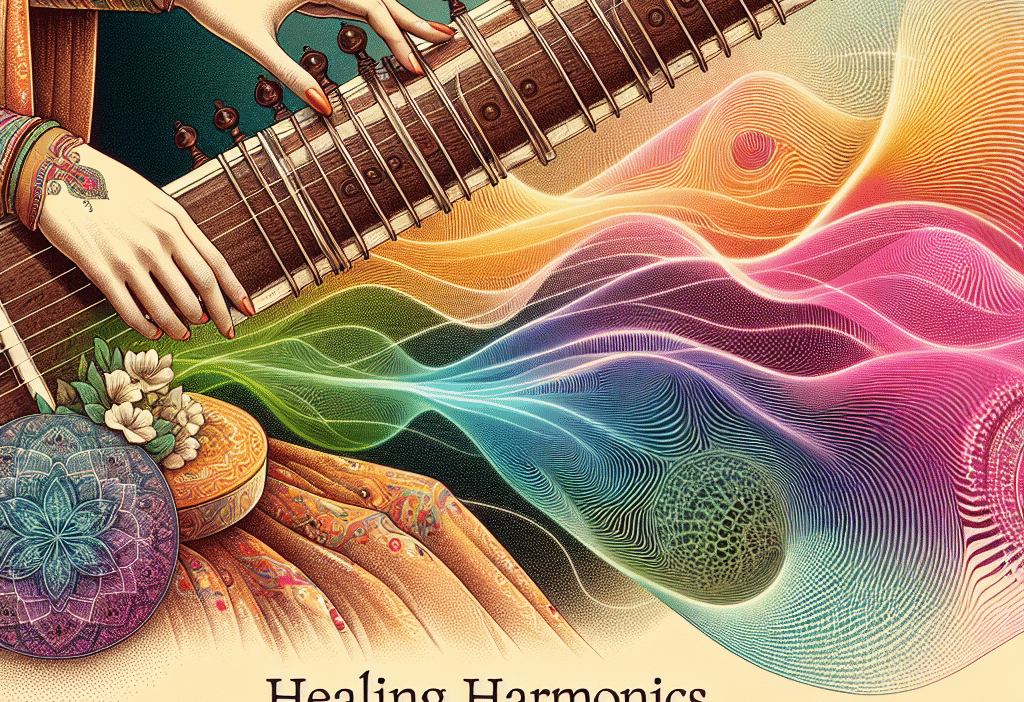
Healing Harmonics: Exploring the Benefits of Raga Therapy in Holistic Healing
Introduction
Imagine a world where the power of sound and melody can heal the mind, body, and spirit. This world exists within Healing Harmonics through a practice known as Raga Therapy. Rooted in the ancient traditions of Indian classical music, Raga Therapy harnesses the profound therapeutic benefits of ragas—musical scales that resonate with various emotional and physical states. This article will delve deep into the fascinating realm of Raga Therapy, illuminating its benefits, techniques, and how it can be integrated into holistic healing practices. If you’re seeking to transform your wellness journey with music, you’re in the right place!
Understanding Raga Therapy
What is Raga Therapy?
At its core, Raga Therapy is the use of Indian classical ragas to promote healing and well-being. Each raga is intricately designed with specific notes, rhythms, and emotions, catering to different times of the day, seasons, and human moods. The combination of melodic structure and intricate emotional expression enables these ragas to evoke profound feelings and reactions, acting as sound medicine for various ailments.
The Science Behind Healing Harmonics
Music and the Brain
Research shows that music can influence our brain’s neural pathways, prompting shifts in emotions, cognitive functions, and even physiological responses. For example, studies have demonstrated that music can lower cortisol levels associated with stress, enhance mood, and improve cognitive performance. Raga Therapy taps into these principles by utilizing tailored ragas to evoke specific emotional and psychological transformations.
The Holistic Approach to Healing
Body-Mind-Spirit Connection
In holistic healing, the interdependence of body, mind, and spirit is paramount. By employing Raga Therapy, practitioners work to heal not only physical issues but also emotional and spiritual maladies. The harmonic frequencies of ragas can shift energetic blocks, allowing a free flow of life force, or ‘prana,’ in the body.
The Benefits of Raga Therapy
Emotional Healing
1. Calming Anxiety and Depression
Certain ragas, such as Raga Yaman, have been found effective in alleviating symptoms of anxiety and depression. This is attributed to their soothing melodies which induce feelings of tranquility and peace. Research involves participants listening to specific ragas followed by a notable reduction in anxiety levels.
2. Enhancing Emotional Expression
Music, especially ragas, helps individuals access buried emotions. The expressive quality of ragas provides a safe space for people to explore and express their emotional states, breaking taboos surrounding emotional vulnerability.
Physical Well-being
1. Pain Relief
The vibrations produced by ragas can stimulate the release of endorphins, the body’s natural painkillers. Medical studies have demonstrated that patients undergoing surgery experience less pain when exposed to soothing ragas during recovery.
2. Improved Sleep Quality
Ragas like Raga Malhar, traditionally believed to induce rain, can also promote better sleep. Research shows that listening to calming ragas before bedtime can decrease insomnia and improve overall sleep quality.
Spiritual Growth
1. Enhanced Meditation Practices
Raga Therapy complements meditation by providing a sonic backdrop that helps deepen the meditator’s experience. The ethereal quality of ragas creates an atmosphere conducive to inner peace and enlightenment.
2. Connection to the Divine
In many traditions, music is seen as a bridge to the divine. Raga Therapy can assist individuals in feeling a stronger connection to their spirituality, whether through devotional practices or personal reflection.
Practical Techniques for Incorporating Raga Therapy
1. Finding Your Raga
Understanding which ragas resonate with your emotional state is crucial. Each raga can evoke different feelings; thus, individuals should explore various ragas to discover their personal sonic therapy. Below is a simple chart to guide you:
| Raga | Emotional Benefit | Best Time to Listen |
|---|---|---|
| Raga Yaman | Calmness, peace | Evening |
| Raga Bhimpalasi | Profound sadness, introspection | Late afternoon |
| Raga Jog | Inspiration, energy | Predawn |
| Raga Malhar | Refreshing, rejuvenation | Monsoon season |
2. Creating a Healing Space
To maximize the effects of Raga Therapy, create a tranquil space. This can involve:
- Comfortable seating: Ensure your space supports relaxation.
- Low lighting: Use soft light to create a calming atmosphere.
- Aromatherapy: Incorporate calming scents, like lavender or sandalwood, to further enhance the experience.
3. Structured Listening Sessions
Schedule dedicated time for listening to your chosen ragas. You might structure your session as follows:
- Preparation (5 mins): Begin with deep breathing to ground yourself.
- Listening (20-30 mins): Play your selected raga softly. Observe the emotional responses and physical sensations as you listen.
- Reflection (10 mins): Journal your thoughts, feelings, and any insights gained during the session.
4. Integration with Other Holistic Practices
Consider combining Raga Therapy with other methods such as yoga, meditation, or even energy healing techniques. This can deepen your experience and promote notable healing.
The Role of a Raga Therapist
Finding a Qualified Raga Therapist
If you’re interested in professional guidance, it’s advisable to seek a qualified Raga Therapist. Look for individuals who have experience in Indian classical music and hold certifications in therapy.
What to Expect in a Session
A typical session with a Raga Therapist might include:
- Assessment of Emotional State: A discussion about your current emotional and physical well-being.
- Tailored Raga Selection: The therapist will choose ragas specific to your needs.
- Guided Listening/Interaction: You may listen passively or engage with the therapist in singing or playing instruments.
Conclusion
In a world increasingly reliant on conventional medicine, Healing Harmonics through Raga Therapy offers a refreshing alternative that taps into the age-old wisdom of sound and music. By understanding its advantages and incorporating it into our holistic healing practices, we unlock the capacity to heal at deeper levels—physically, emotionally, and spiritually.
Empower yourself with the sound of ragas and allow these timeless melodies to transform your health and well-being. Remember, the journey towards healing is a personal one—trust your instincts and embrace the harmonic symphony of life.
FAQs
1. What is a raga?
A raga is a melodic framework in Indian classical music designed to evoke specific emotions. Each raga consists of specific notes and rhythms.
2. Can anyone practice Raga Therapy?
Yes, Raga Therapy can be practiced by anyone interested in exploring the healing powers of music, regardless of musical background.
3. How long should one listen to a raga for therapeutic effects?
Though individual responses vary, listening for at least 20-30 minutes can enhance its therapeutic benefits.
4. Can Raga Therapy help with chronic pain?
Yes, many have reported reductions in pain levels when incorporating Raga Therapy into their holistic healing regimens.
5. How do I find a Raga Therapist?
Search for therapists through holistic healing centers or online platforms focusing on music therapy and Indian classical music.
By understanding Healing Harmonics: Exploring the Benefits of Raga Therapy in Holistic Healing, you can take proactive steps towards enhancing your well-being through music. Embrace the power of sound; your journey to healing is just a raga away! 🎶