Green Policies, Green Minds: How Environmental Laws Shape Educational Curricula
Introduction
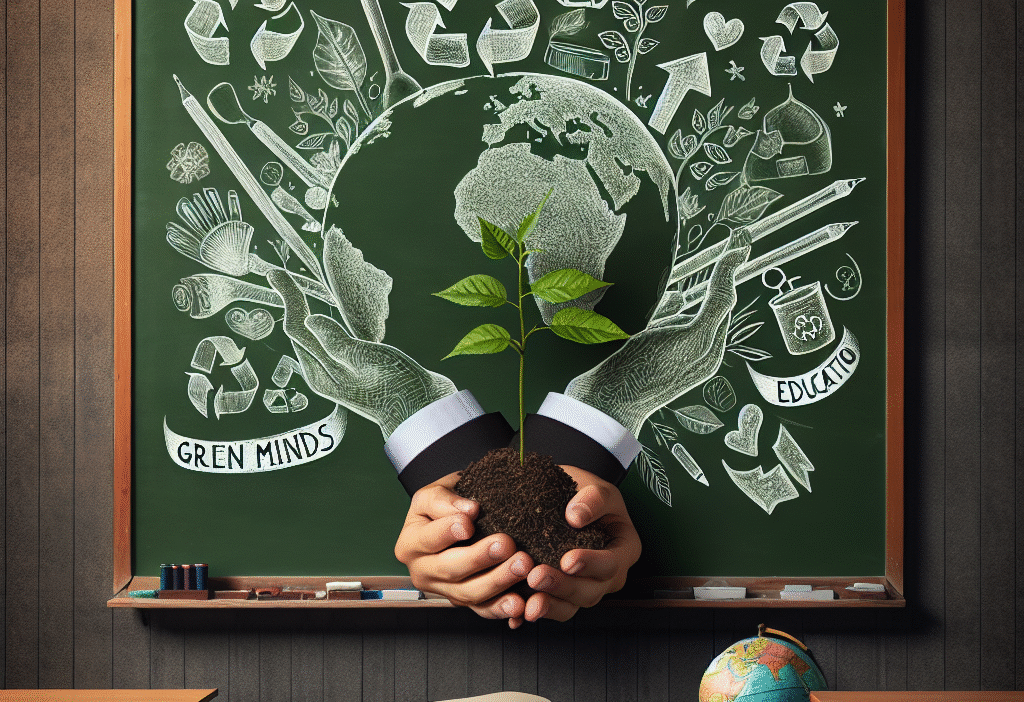
As the climate crisis escalates, the connection between education and sustainability becomes increasingly vital. This article explores the profound impact that environmental laws have on educational curricula, coining the phrase Green Policies, Green Minds to emphasize how systematic environmental initiatives can cultivate environmentally conscious future leaders. 🌍
In our journey through this extensive discussion, we will analyze how policies shape educational frameworks, discuss key legislation influencing curricula, and showcase innovative approaches that institutions are adopting to foster environmental awareness among students. This exploration is not just crucial for policymakers and educators but also for anyone invested in creating a sustainable future.
The Evolution of Environmental Laws
Historical Context
Environmental laws have evolved significantly over the decades. Starting in the United States with the National Environmental Policy Act (NEPA) of 1969, legislation began focusing on protecting the environment at a national level. These laws were not mere regulations; they also served as a framework to educate individuals about their environments and the consequences of their actions.
- Key Milestones:
- Clean Air Act (1970): Regulates air emissions, setting standards aimed at protecting public health and the environment.
- Clean Water Act (1972): Focuses on maintaining the integrity of the nation’s waters.
- Endangered Species Act (1973): Protects threatened and endangered plants and animals and their habitats.
These foundational laws laid the groundwork not just for environmental protection but also for introducing environmental education into public awareness and academic discourse.
The Role of Environmental Laws in Educational Policies
Shaping Educational Standards
With the establishment of various environmental laws, educational institutions are now required to incorporate specific environmental education components into their curricula. For example, in many regions, state mandates now focus on integrating sustainability principles into science classes and broader educational frameworks.
- Impact on Curriculum Development:
- Frameworks and Guidelines: Policies such as the Every Student Succeeds Act (ESSA) integrate environmental education into science and technology, prompting schools to devise curricula aligned with sustainability objectives.
- Added Curriculum Elements: Students are now learning about climate change, ecosystems, and conservation, contributing to an increased awareness of global environmental challenges.
Examples of State and Federal Legislation
Various states have initiated their own environmental education laws. For instance, California has pioneered legislation mandating sustainability education in K-12 schools, reinforcing the lesson that environmental consciousness is paramount at an early age.
- California Environmental Literacy Initiative: This initiative is an exemplary model of how states can incorporate environmental literacy as a core component of their educational policies.
Innovative Approaches to Environmental Education
Project-Based Learning
One effective approach to fostering Green Minds is through project-based learning (PBL). This student-centered approach allows learners to engage in real-world environmental problems, encouraging critical thinking and problem-solving skills.
- Benefits of PBL:
- Engages students through hands-on experience.
- Fosters collaboration among students and local communities.
Example Project
In one case study, students in a California high school were tasked with reducing the school’s carbon footprint. They conducted audits on energy usage, designed a campaign to promote recycling, and presented their findings to their peers and local community leaders. This not only educated the students but also enacted immediate changes in their community.
Technology and Environmental Learning
Integrating technology into education has opened new avenues for environmental learning. Digital platforms can deliver interactive content that elucidates complex environmental concepts, making them easier for younger audiences to grasp.
- Examples of Technology Use:
- Interactive Apps and Simulations: Apps like Kahoot and Nearpod offer interactive quizzes and lessons on environmental science.
- Virtual Reality Experiences: VR can transport students to different ecosystems, allowing them to experience biodiversity firsthand.
Global Perspectives on Environmental Education
International Policies and Their Impact
Countries around the world are adopting distinct policies to emphasize environmental education. For instance, the United Nations Educational, Scientific and Cultural Organization (UNESCO) has rolled out several initiatives aimed at incorporating sustainable development into education.
- UNESCO’s Global Action Programme: This program gears education toward achieving the 2030 Agenda for Sustainable Development, emphasizing that every child should receive education on sustainable practices.
Case Study: Finland’s Education Model
Finland’s educational system stands out globally for its comprehensive integration of sustainability. Environmental issues are incorporated throughout various subjects rather than being confined to a single discipline, setting a precedent for holistic environmental education.
- Outcomes: Finnish students consistently demonstrate high levels of environmental awareness and advocate for sustainability initiatives in their communities.
Localizing Environmental Education: The Community Connection
Collaborating with Local Stakeholders
When educational institutions collaborate with local organizations, it enhances the effectiveness of environmental education. Community projects reinforce the laws and policies enacted, making learning more relevant and impactful.
- Benefits of Collaboration:
- Informs curriculum development based on local environmental issues.
- Engages students in real-world applications of their studies.
Example Initiatives
- Community Gardening Projects: Schools partnering with local non-profits to create community gardens can teach students about sustainable agriculture, promoting healthy food choices and environmental stewardship together.
The Need for Continuous Improvement in Environmental Education
Continuous Curriculum Evaluations
To ensure that educational curricula remain relevant, ongoing assessments are essential. This process allows educators to adapt to new environmental challenges as they arise.
- Action Steps for Improvement:
- Conduct regular workshops for teachers to update them on environmental laws and trends.
- Invest in research on the effectiveness of current curricula in promoting environmental awareness.
Challenges in Implementing Green Policies in Education
Funding and Resource Allocation
While laws may mandate environmental education, lack of resources can hamper effective implementation. Many schools face budget constraints that limit the ability to develop and maintain robust environmental programs.
- Possible Solutions:
- Advocate for reallocation of funding toward environmental education.
- Seek partnerships with businesses and non-profits focused on sustainability to secure additional resources.
Conclusion
In summary, Green Policies, Green Minds: How Environmental Laws Shape Educational Curricula is an essential dialogue necessary for fostering a more sustainable world. As seen throughout this article, environmental laws play a crucial role in shaping the educational landscape, ensuring that the next generation is equipped with the knowledge and skills necessary to tackle pressing environmental issues.
As individuals, we can advocate for the integration of sustainability initiatives, support local educational programs, and encourage conversations surrounding environmental education. By embracing our roles in fostering Green Minds, we can collectively contribute to a healthier, more sustainable future. 🌱
FAQs
1. How do environmental laws influence school curricula?
Environmental laws create frameworks that schools must follow, promoting the inclusion of sustainability topics in education.
2. Are there benefits to project-based learning in environmental education?
Yes! Project-based learning engages students, fosters critical thinking, and encourages collaboration, making lessons more impactful.
3. How are global educational standards changing regarding environmental issues?
Countries are increasingly adopting policies that emphasize sustainable development as a core component of the educational curriculum.
4. What are some innovative methods to teach sustainability in schools?
Using technology (like apps and virtual reality) and community collaboration are effective methods to enhance environmental education.
5. What can students do to promote sustainability in their communities?
Students can initiate or participate in community projects, advocate for local environmental issues, and incorporate sustainability practices in their daily lives.
By addressing these essential aspects and reinforcing the connection between environmental laws and educational curricula, we can foster a generation adept at pursuing sustainability for our planet. For additional resources related to environmental education and legislation, visit myjrf.com.