Introduction
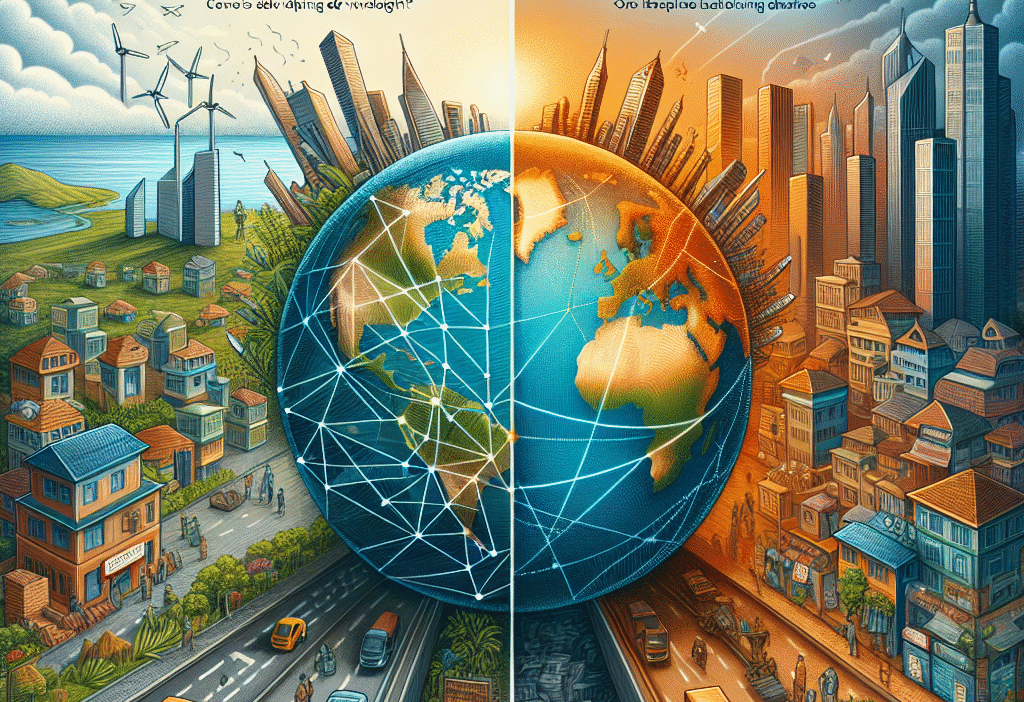
In an era where the world feels more interconnected than ever, the debate surrounding globalization intensifies. Globalization Unleashed: Transforming Developing Economies or Widening the Gap? is not just a question; it’s a critical inquiry into the very fabric of our global society. 🌍
As nations engage in trade, share technology, and exchange cultural values, the implications for developing economies are profound. Are these nations experiencing unprecedented growth and opportunity, or are they merely becoming pawns in a game that benefits the wealthy? This article will explore the dual nature of globalization, examining its potential to uplift or undermine developing economies.
What You Will Learn
- The definition and dimensions of globalization
- The positive impacts of globalization on developing economies
- The challenges and drawbacks associated with globalization
- Case studies illustrating both sides of the argument
- Actionable insights for policymakers and stakeholders
Understanding Globalization
What is Globalization?
Globalization refers to the process of increased interconnectedness among countries, primarily in terms of trade, investment, technology, and culture. It encompasses various dimensions, including economic, political, social, and environmental aspects.
Key Dimensions of Globalization
- Economic Globalization: Involves the integration of national economies through trade and investment.
- Cultural Globalization: The worldwide exchange of ideas, values, and cultural elements.
- Political Globalization: The spread of political ideas and norms across borders.
- Technological Globalization: The rapid dissemination of technology and innovation.
The Historical Context
Globalization is not a new phenomenon. It has roots that trace back to the Silk Road and the Age of Exploration. However, the late 20th century saw a significant acceleration due to advancements in technology and communication. The fall of the Berlin Wall and the rise of the internet catalyzed a new wave of globalization, making it essential to understand its implications today.
The Positive Impacts of Globalization on Developing Economies
Economic Growth and Development
One of the most significant benefits of globalization is its potential to stimulate economic growth in developing countries. By opening up markets, countries can attract foreign direct investment (FDI), leading to job creation and infrastructure development.
Case Study: Vietnam
Vietnam is a prime example of how globalization can transform an economy. After implementing market reforms in the 1980s, the country opened its doors to foreign investment. As a result, Vietnam experienced rapid economic growth, reducing poverty rates from 58% in 1993 to just 6% in 2020.
Access to Technology and Innovation
Globalization facilitates the transfer of technology and innovation, enabling developing countries to leapfrog traditional stages of development.
Example: Mobile Technology in Africa
In many African nations, mobile technology has revolutionized communication and commerce. Services like M-Pesa in Kenya have transformed financial transactions, allowing millions to access banking services for the first time. This leap in technology demonstrates how globalization can empower developing economies.
Cultural Exchange and Social Development
Globalization fosters cultural exchange, promoting diversity and understanding among nations. This cultural interaction can lead to social development, as ideas about education, health, and governance are shared.
Example: Education Initiatives
International organizations often collaborate with local governments to improve education systems in developing countries. Programs that promote STEM (Science, Technology, Engineering, and Mathematics) education are increasingly common, equipping the next generation with the skills needed in a globalized economy.
The Challenges of Globalization
Economic Disparities
While globalization can drive economic growth, it can also exacerbate inequalities within and between countries. Wealth tends to concentrate in urban areas, leaving rural populations behind.
Example: The Urban-Rural Divide in India
In India, economic liberalization has led to significant growth in urban centers like Bangalore and Mumbai. However, rural areas continue to struggle with poverty and lack of access to resources, highlighting the uneven benefits of globalization.
Exploitation of Labor
Globalization can lead to the exploitation of workers in developing countries, as multinational corporations seek to minimize costs. Poor working conditions and low wages are often the result.
Case Study: The Garment Industry in Bangladesh
The tragic collapse of the Rana Plaza building in 2013, which housed several garment factories, brought global attention to the exploitation of workers in Bangladesh. While the industry provides jobs, the conditions under which many workers labor are often dire, raising ethical questions about globalization.
Environmental Concerns
The rapid industrialization associated with globalization can lead to environmental degradation. Developing countries may prioritize economic growth over environmental sustainability, resulting in pollution and resource depletion.
Example: Deforestation in Brazil
In Brazil, the demand for agricultural products driven by global markets has led to significant deforestation in the Amazon rainforest. This not only threatens biodiversity but also contributes to climate change, illustrating the environmental costs of globalization.
Balancing the Scales: Policy Recommendations
Promoting Inclusive Growth
To ensure that globalization benefits all, policymakers must focus on inclusive growth strategies. This includes investing in education and training programs that equip workers with the skills needed in a globalized economy.
Strengthening Labor Rights
Governments should enforce labor laws that protect workers’ rights and ensure fair wages. International organizations can play a crucial role in monitoring labor practices and advocating for ethical standards.
Sustainable Development Practices
Integrating sustainability into economic policies is essential. Governments should promote practices that balance economic growth with environmental protection, ensuring that future generations can thrive.
Conclusion
Globalization Unleashed: Transforming Developing Economies or Widening the Gap? is a complex question that requires nuanced understanding. While globalization has the potential to uplift developing economies through economic growth, technology transfer, and cultural exchange, it also poses significant challenges, including economic disparities, labor exploitation, and environmental degradation.
Final Thoughts
As we navigate the complexities of globalization, it is crucial for policymakers, businesses, and individuals to work together to create a more equitable and sustainable global economy. By focusing on inclusive growth, strengthening labor rights, and promoting sustainable practices, we can harness the power of globalization to benefit all.
FAQs
1. What is globalization?
Globalization is the process of increased interconnectedness among countries, primarily in trade, investment, technology, and culture.
2. How does globalization affect developing economies?
Globalization can stimulate economic growth, provide access to technology, and promote cultural exchange, but it can also exacerbate inequalities and lead to labor exploitation.
3. Can globalization lead to job creation?
Yes, globalization can create jobs by attracting foreign investment and fostering economic growth, particularly in developing countries.
4. What are the environmental impacts of globalization?
Globalization can lead to environmental degradation due to increased industrialization and resource exploitation, highlighting the need for sustainable practices.
5. How can policymakers ensure that globalization benefits everyone?
Policymakers can promote inclusive growth, strengthen labor rights, and integrate sustainability into economic policies to ensure that globalization benefits all segments of society.
By understanding the multifaceted nature of globalization, we can work towards a future where it serves as a tool for empowerment rather than a source of division. 🌟