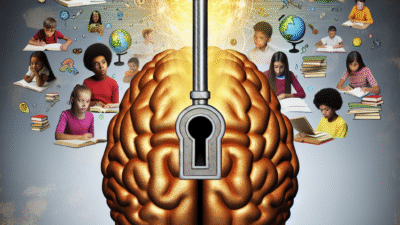
From Chalkboards to Chatbots: The Ultimate Evolution of Teaching Support Systems
Introduction
Remember the days when education revolved around chalkboards, overhead projectors, and dusty encyclopedias? As we traverse through the age of rapid technological advancement, we find ourselves immersed in a transformative journey—from Chalkboards to Chatbots: The Evolution of Teaching Support Systems. This article will dive into how teaching methodologies and tools have evolved, highlighting the crucial role of technology in shaping modern education.
Unlock the potential of these advancements and discover how teaching support systems now utilize AI, chatbots, and sophisticated educational platforms to create enriching learning experiences. In this comprehensive guide, readers will explore historical milestones, emerging technologies, and actionable strategies to leverage these innovations effectively in the classroom.
The Pre-Digital Era: Foundation of Teaching Support Systems
The Chalkboard Era
The chalkboard, a staple in classrooms for centuries, served as the primary medium for teachers to communicate knowledge. Before the digital revolution, the teaching landscape relied heavily on:
- Visual Learning: Chalkboards allowed teachers to illustrate concepts dynamically, fostering interactive learning.
- Student Engagement: The physical act of writing and drawing on a chalkboard encouraged involvement from students.
- Limited Resources: Access to information was constrained, narrowing the scope of learning materials to textbooks and classroom notes.
Despite its effectiveness, the chalkboard had limitations, including a lack of interactivity and accessibility for diverse learning styles. It was clear that the educational system needed to evolve.
The Rise of Technology in Education
The introduction of multimedia resources, such as projectors and video aids, marked a significant step forward. Computers and the internet became integral in the late 20th century, revolutionizing how educators approached teaching:
- Introduction of E-Learning: Online platforms began to emerge, providing greater access to educational resources and enabling distance learning. This was the foundation for modern Learning Management Systems (LMS).
- Diverse Learning Materials: The availability of digital resources expanded the range of educational materials, catering to various learning preferences.
This digital revolution set the stage for a more interactive, engaging, and personalized educational experience.
The Digital Revolution: Interactive and Personalized Learning
Emergence of Learning Management Systems (LMS)
Learning Management Systems became the backbone of modern education. They provide structured environments where students can access:
- Course Materials: Texts, videos, quizzes, and interactive modules.
- Tracking and Analytics: Educators can monitor student performance through analytics, identifying areas needing improvement.
- Collaboration Tools: Features like forums and group projects foster peer interaction.
The LMS landscape is diverse, with platforms like Moodle, Canvas, and Blackboard becoming household names. The advancement towards LMS represents a critical shift toward personalized learning experiences.
Interactive Whiteboards
Replacing traditional chalkboards, interactive whiteboards combine the best of both worlds. They allow teachers to present material dynamically while inviting student participation. Key features include:
- Touch-Sensitive Screens: Enable real-time interaction.
- Integration with Devices: Students can connect their devices for a more collaborative learning environment.
- Multimedia Resources: Teachers can incorporate videos, animations, and simulations directly into their lessons.
These advancements mark a crucial step toward making learning more engaging and effective.

(Image Source: myjrf.com)
The Arrival of Artificial Intelligence and Chatbots
AI-Driven Learning
As education continues to evolve, Artificial Intelligence (AI) has become a game-changer. It brings personalized learning experiences to the forefront through several key elements:
- Adaptive Learning Systems: AI algorithms assess individual students’ needs and adapt the curriculum accordingly.
- Automated Grading Systems: Teachers can save time on grading tasks, allowing them to focus on delivering more personalized instruction.
- Predictive Analytics: By analyzing patterns in student behavior, AI can provide insights into potential learning obstacles and suggest tailored interventions.
The integration of AI into teaching support systems enhances personalization and improves student outcomes dramatically.
Chatbots in Education
Chatbots represent an exciting frontier in educational support systems. These AI-driven tools offer numerous advantages:
- 24/7 Availability: Chatbots can answer student queries at any time, providing instant support and information.
- Personalized Assistance: They can guide students through complex topics or manage administrative tasks like scheduling and assignment submissions.
- Scalability: Unlike human tutors, chatbots can manage thousands of queries simultaneously, ensuring that no student feels overwhelmed.
By integrating chatbots into educational ecosystems, institutions can enhance student support while ensuring educators can focus on direct teaching rather than administrative burdens.

(Image Source: myjrf.com)
Case Studies: Successful Implementations of Modern Teaching Systems
Case Study 1: Georgia State University
Georgia State University implemented an AI-driven chatbot named “Pounce” to assist students with general inquiries and administrative processes. The results were remarkable:
- Increased Student Engagement: Pounce engaged with over 20,000 students within its first year.
- Improved Retention Rates: The support offered by the chatbot led to an increase in retention rates among first-year students.
This initiative exemplifies how teaching support systems can evolve, leveraging technology to enhance the student experience.
Case Study 2: Carnegie Learning
Carnegie Learning blends artificial intelligence with an adaptive learning platform. The results include:
- Personalized Learning Paths: Students receive custom recommendations based on real-time performance data.
- Improved Math Proficiency: Classrooms utilizing Carnegie Learning have observed a substantial improvement in math scores due to the tailored approach.
These examples showcase the effectiveness of modern teaching support systems, demonstrating the profound impact that thoughtful integration of technology can have on education.
Future Trends: What Lies Ahead
Global Classrooms
As technology continues to evolve, the classroom of the future is likely to be global, integrating students from across the world. This has implications for:
- Cross-Cultural Collaboration: Students will engage with peers internationally, enhancing their educational experience.
- Diverse Perspectives: Collaborating with different cultures fosters a rich, vibrant learning environment.
Augmented and Virtual Reality in Education
Augmented Reality (AR) and Virtual Reality (VR) are expected to transform not only how educational content is delivered but also how students interact with that information:
- Immersive Learning Experiences: Students can explore historical sites or conduct virtual science experiments.
- Hands-On Learning: VR and AR offer practical experiences that enhance understanding, particularly in complex subjects.
As these technologies mature, their integration within teaching support systems will create unparalleled educational opportunities.
Gamification
Gamification in education utilizes game design elements to enhance student motivation and engagement. Key benefits include:
- Increased Engagement: Simple game mechanics keep students interested and focused.
- Instant Feedback: Students receive immediate responses to their actions, fostering a continuous learning loop.
Over time, the gamification of educational content will likely evolve to incorporate more sophisticated AI-driven features, further enhancing student engagement.
Actionable Takeaways
To effectively harness the evolution of teaching support systems, educators and institutions can implement the following strategies:
- Foster a Culture of Continuous Learning: Embrace emerging technologies and methodologies.
- Utilize Data Analytics for Better Outcomes: Implement predictive analytics to tailor learning paths for students.
- Incorporate Chatbots and AI: Embrace AI-driven tools to support students both inside and outside the classroom.
By actively engaging with these strategies, educators can stay ahead of the curve in the ever-evolving landscape of education.
Conclusion
From Chalkboards to Chatbots: The Evolution of Teaching Support Systems ultimately represents a revolutionary transition in the field of education. The shift towards technology-driven learning has redefined the educational experience, making it more personalized, engaging, and effective.
As educators and institutions continue to embrace innovative tools, they can foster richer learning environments that cater to diverse student needs. The journey is ongoing, and the possibilities are endless. By leveraging these advancements, educators are well-equipped to inspire and empower future generations.
FAQs
1. What led to the evolution of teaching support systems?
The evolution of teaching support systems was fueled by advances in technology, leading to enhanced engagement, personalized learning experiences, and increased access to educational resources.
2. How does AI enhance the educational experience?
AI enhances the educational experience by providing adaptive learning, reducing administrative burdens through automation, and offering insights through predictive analytics.
3. What role do chatbots play in education?
Chatbots provide 24/7 support for students, answering queries, assisting in administrative tasks, and offering personalized guidance, allowing educators more time to focus on teaching.
4. Can gamification improve student engagement?
Yes! Gamification employs game mechanics to foster motivation and engagement, leading to enhanced learning experiences and improved retention rates.
5. What future trends should educators prepare for?
Educators should prepare for trends like global classrooms, augmented/virtual reality in education, and increased use of gamification to enhance student engagement and learning effectiveness.
In summary, the transition from traditional teaching methods to technology-driven orchestration is paramount to preparing students for an increasingly complex world. As technological advancements continue, the fusion of education and innovation will empower educators and students alike.