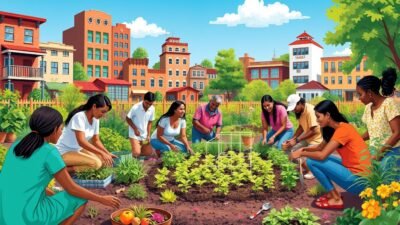
Empowerment Through Unity: Understanding Community Organization for Lasting Change
Introduction
In today’s fast-paced world, the importance of community organization and collaboration has never been more vital. Empowerment Through Unity: Understanding Community Organization is not just a catchphrase; it’s a powerful movement toward social justice and collective agency. Engaging communities to come together—harnessing their unique strengths—offers a transformative path toward solving complex societal issues.
This article dives deep into the principles, strategies, and vitalities of community organization, outlining its role in creating empowered, resilient communities. By the end of this piece, you will be equipped with actionable insights to foster unity in your community and drive impactful change.
Table of Contents
- What Is Community Organization?
- The Importance of Unity
- Core Principles of Community Empowerment
- Steps to Building a Strong Community Organization
- Examples of Successful Community Organizations
- Challenges in Community Organization
- Measuring Success in Community Initiatives
- Future of Community Organization: Trends and Innovations
- Conclusion
- FAQs
What Is Community Organization?
Community organization is the process through which individuals come together to identify common goals and work collaboratively to achieve them. This cohesive action nurtures relationships, improves communication, and enhances overall community well-being.
According to the National Association of Social Workers, community organization empowers people to effectively address their problems. Through a structured approach, community organizers help identify needs, mobilize resources, and implement sustainable solutions.
The Importance of Unity
Unity acts as a catalyst for achieving collective empowerment. When community members unite around a shared vision, they open avenues for mutual support and collaboration.
Benefits of Unity:
- Increased Resources: United communities can pool together diverse skills and assets, leading to innovative solutions.
- Enhanced Voice: A unified front gives community voices more weight in advocating for change.
- Shared Responsibility: When everyone is involved, accountability is shared, promoting sustained engagement.
Core Principles of Community Empowerment
Empowerment through unity is rooted in several core principles:
- Inclusivity: Ensure that all voices, regardless of background or status, are represented.
- Collective Action: Collaboration fosters a sense of ownership and responsibility among community members.
- Education and Awareness: Providing knowledge equips community members with the tools needed to advocate for themselves.
- Sustainability: Focus on initiatives that offer long-term benefits rather than quick fixes.
Steps to Building a Strong Community Organization
Step 1: Identify the Community Needs
Understanding the specific needs helps tailor efforts effectively. Conduct surveys or hold focus groups to truly grasp what the community seeks.
Step 2: Set Clear Goals
Establishing SMART goals (Specific, Measurable, Achievable, Relevant, Time-bound) ensures clarity and direction.
Step 3: Form a Diverse Team
Diversity enriches the organization’s capacity for creative solutions. Ensure representation from various community groups.
| Goal Type | Description | Example |
|---|---|---|
| Specific | Clear and specific objectives | Increase local recycling rates |
| Measurable | Metrics to track progress | Conduct monthly surveys |
| Achievable | Realistic expectations | Create two recycling centers |
| Relevant | Align goals with community priorities | Address waste management issues |
| Time-bound | Set a clear timeframe for completion | Achieve within one year |
Step 4: Mobilize Resources
Identify available resources within the community and seek external support from organizations that align with your goals.
Step 5: Implement and Adapt
Start with a pilot project. Use feedback to make necessary adaptations for broader implementation.
Examples of Successful Community Organizations
- Greenpeace: A global environmental organization that empowers activists through collective action and advocacy for environmental protection.
- Neighborhood House: A local organization that promotes community engagement through educational programs, health services, and social advocacy.
Challenges in Community Organization
- Resistance to Change: Some individuals may be apprehensive about new initiatives, which can slow progress.
- Lack of Resources: Limited financial or human resources may hinder effective community organization.
- Internal Conflicts: Diverse viewpoints can lead to disagreements among members, stalling collaboration.
Overcoming these obstacles requires effective communication, patience, and a shared understanding of the community’s vision.
Measuring Success in Community Initiatives
Measuring the impact of community efforts is crucial. Metrics can include:
- Community Surveys: Assessing perceptions of change in community well-being.
- Participation Rates: Evaluating attendance and engagement in community events.
- Outcome Tracking: Monitoring tangible changes—such as reduced crime rates or increased job placements.
Future of Community Organization: Trends and Innovations
Emerging trends indicate a shift toward digital tools that enhance community organization. From social media platforms facilitating communication to online fundraising tools that extend reach, technology plays a vital role in modern community movements.
Conclusion
Empowerment Through Unity: Understanding Community Organization is essential for nurturing vibrant, resilient communities. By encouraging collaboration, embracing diversity, and focusing on collective objectives, communities can foster lasting change.
As we move forward, remember that real change comes not just from one individual—it’s about how we unify our strengths and resources. Together, we can challenge norms and uplift our communities.
FAQs
Q1: What is the first step in organizing a community?
A: The initial step is to identify the community’s needs through surveys or discussions to understand what changes are desired.
Q2: How can technology aid community organization?
A: Technology can facilitate communication, enhance outreach through social media, and support fundraising efforts online.
Q3: What should a community do if there is resistance to new initiatives?
A: Engage in open dialogues to understand concerns, address fears, and clarify how the initiative benefits everyone involved.
Q4: Can small communities also see significant changes?
A: Absolutely! Even small communities can achieve remarkable transformations by collaborating on shared goals.
Q5: What role does leadership play in community organization?
A: Strong leadership is critical for guiding the community, setting a vision, and inspiring collective action.
Incorporating these frameworks, strategies, and insights will empower you to engage meaningfully within your own community and promote a shared vision for a better future. Let’s unite and transform our communities into empowered, cohesive units ready to tackle the challenges ahead! 🌟