Introduction
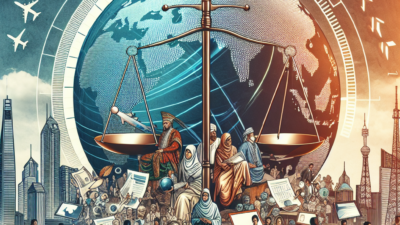
The shadows of colonialism loom large over modern society, shaping political, economic, and cultural landscapes in ways that are often overlooked. 🌍 The phrase "Echoes of Empire" encapsulates the lingering effects of colonial rule, which continue to influence global dynamics today. Understanding these echoes is not just an academic exercise; it is essential for anyone seeking to navigate the complexities of our interconnected world.
In this comprehensive article, we will delve into the multifaceted legacy of colonialism, exploring its historical context, its impact on contemporary societies, and the pathways toward reconciliation and healing. By the end, you will gain a deeper understanding of how the past informs the present and how we can work together to create a more equitable future.
The Historical Context of Colonialism
The Rise of Colonial Empires
Colonialism emerged in the late 15th century, driven by European powers seeking new trade routes and resources. Nations like Britain, France, Spain, and Portugal established vast empires, often at the expense of indigenous populations. The motivations were primarily economic, but they were also fueled by a sense of racial superiority and a desire to spread Western civilization.
Key Phases of Colonialism
Exploration and Conquest (15th – 18th Century): European explorers set sail to discover new lands, leading to the conquest of territories in Africa, Asia, and the Americas.
Colonization and Settlement (18th – 19th Century): Colonizers established settlements, often displacing local populations and exploiting resources.
- Decolonization (20th Century): Following World War II, many colonies gained independence, but the legacies of colonialism persisted.
The Impact of Colonialism on Indigenous Cultures
Colonialism often resulted in the erasure of indigenous cultures, languages, and traditions. The imposition of foreign governance and economic systems disrupted local ways of life, leading to a loss of identity and heritage. This cultural dislocation is one of the most profound echoes of empire that we continue to grapple with today.
The Economic Legacy of Colonialism
Resource Exploitation and Economic Disparities
Colonial powers extracted vast amounts of resources from their colonies, leading to significant wealth accumulation in Europe while leaving colonized nations impoverished. This exploitation established economic structures that favored the colonizers and created long-lasting disparities.
- Example: The extraction of minerals in Africa has left many countries with economies reliant on a single resource, making them vulnerable to global market fluctuations.
Modern Economic Systems Rooted in Colonialism
The economic systems established during colonial times have persisted, often perpetuating inequality. For instance, many former colonies still face challenges related to debt, trade imbalances, and limited access to global markets.
Case Study: The Caribbean
The Caribbean region serves as a poignant example of how colonial legacies shape economic realities. Former sugar plantations have left a lasting impact on land ownership and labor practices, contributing to ongoing economic challenges.
The Political Legacy of Colonialism
Governance Structures and Political Instability
Colonialism imposed foreign governance structures that often disregarded local customs and political systems. This has led to ongoing political instability in many regions, as newly independent nations grapple with the legacies of arbitrary borders and governance models that do not reflect the needs of their populations.
The Role of Colonialism in Modern Conflicts
Many contemporary conflicts can be traced back to colonial rule. The arbitrary borders drawn by colonial powers often grouped together disparate ethnic groups, leading to tensions that persist today.
- Example: The Rwandan Genocide of 1994 can be partially attributed to colonial policies that exacerbated ethnic divisions.
The Quest for Sovereignty and Self-Determination
The struggle for sovereignty and self-determination remains a significant aspect of post-colonial politics. Many nations are still working to reclaim their identities and governance structures, often facing resistance from former colonial powers.
The Cultural Legacy of Colonialism
Language and Identity
Colonialism has had a profound impact on language, with many former colonies adopting the language of their colonizers as a means of communication and education. This has led to a complex relationship with identity, as individuals navigate between their indigenous languages and the dominant colonial language.
- Example: In India, English serves as a lingua franca, but many people also strive to preserve their native languages and dialects.
The Arts and Literature
Colonialism has influenced artistic expression and literature, often serving as a backdrop for themes of resistance, identity, and cultural reclamation. Writers and artists from formerly colonized nations are increasingly using their platforms to challenge colonial narratives and celebrate their heritage.
The Role of Education in Shaping Perspectives
Education systems established during colonial times often perpetuate colonial narratives. However, there is a growing movement to decolonize education, incorporating indigenous knowledge and perspectives into curricula.
Pathways to Reconciliation and Healing
Acknowledging the Past
The first step toward healing is acknowledging the injustices of the past. This involves recognizing the impact of colonialism on individuals and communities, as well as the ongoing effects of systemic inequality.
Reparations and Restitution
Discussions around reparations for colonial injustices are gaining traction. While the topic is complex and contentious, it is essential for addressing historical grievances and fostering reconciliation.
Building Inclusive Societies
Creating inclusive societies requires a commitment to equity and justice. This involves amplifying marginalized voices, promoting cultural understanding, and fostering dialogue between communities.
The Role of Global Cooperation
International cooperation is crucial for addressing the legacies of colonialism. Collaborative efforts can help tackle issues like climate change, economic inequality, and social justice, which are often rooted in colonial histories.
Conclusion
The echoes of empire resonate throughout our world, shaping our societies in profound ways. By understanding the legacy of colonialism, we can begin to address the injustices of the past and work toward a more equitable future. 🌟
As we move forward, it is essential to engage in conversations about colonialism, its impacts, and the pathways to healing. Together, we can create a world that honors the past while striving for a brighter, more inclusive future.
FAQs
1. What is colonialism?
Colonialism is the practice of acquiring and maintaining control over foreign territories, often involving the exploitation of resources and the imposition of foreign governance and culture.
2. How does colonialism affect modern societies?
Colonialism has left lasting legacies in the form of economic disparities, political instability, and cultural dislocation, which continue to impact formerly colonized nations today.
3. What are some examples of colonial legacies?
Examples include economic inequalities, arbitrary borders leading to conflicts, and the dominance of colonial languages over indigenous languages.
4. How can we address the legacies of colonialism?
Addressing these legacies involves acknowledging the past, promoting reparations, fostering inclusive societies, and engaging in global cooperation.
5. Why is it important to understand the legacy of colonialism?
Understanding the legacy of colonialism is crucial for addressing systemic inequalities and fostering reconciliation, ultimately leading to a more just and equitable world.
This article serves as a comprehensive guide to understanding the echoes of empire and the legacy of colonialism in today’s world. By engaging with these themes, we can work toward a future that acknowledges the past while striving for justice and equity.