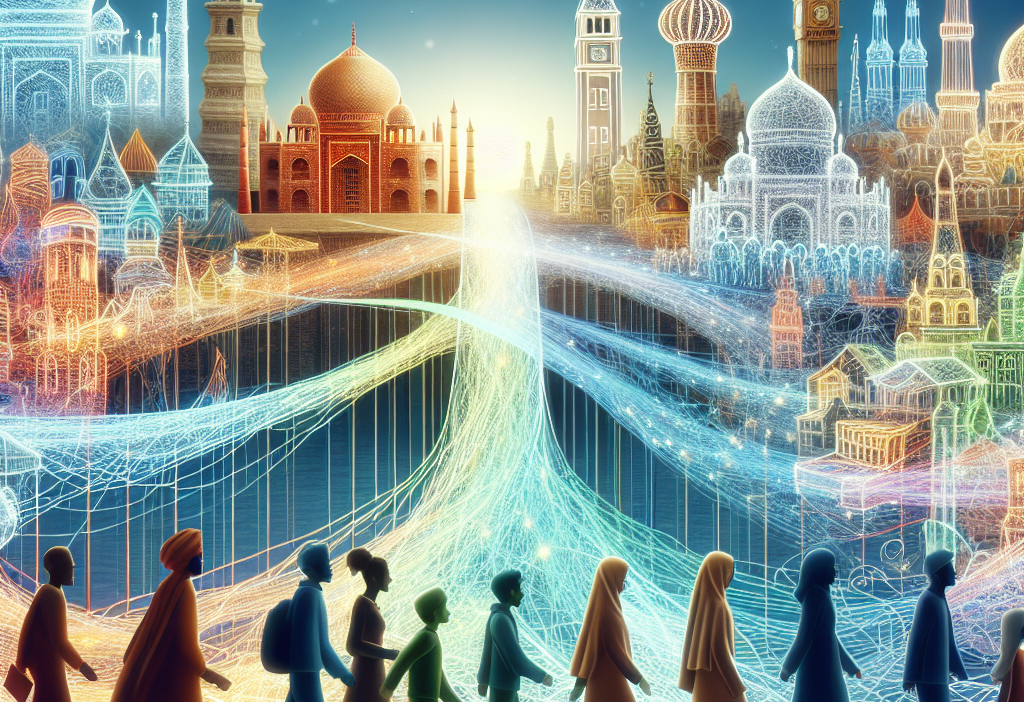
Cultural Relativism: Bridging the Gap Between Diverse Worlds – The Ultimate Guide
Introduction
In our increasingly interconnected world, diversity has become a central part of human experience. From different ethnic, religious, and cultural practices emerges the imperative need for understanding and tolerance. This is where Cultural Relativism: Bridging the Gap Between Diverse Worlds takes center stage. By promoting the idea that one should examine cultural practices through their own cultural context rather than by the standards of another culture, cultural relativism serves as a powerful tool for fostering dialogue, empathy, and mutual respect.
In this article, we will delve deeply into the principles of cultural relativism, explore its applications, analyze its significance in a multicultural world, and suggest actionable takeaways to embrace this philosophy in your daily life. Prepare to embark on a journey that not only enlightens but also empowers you to create a more inclusive environment around you.
What is Cultural Relativism?
Definition and Core Principles
Cultural relativism is a concept that asserts that a person’s beliefs, values, and practices should be understood based on their own culture, rather than be compared to the standards of another culture. This principle directly counters ethnocentrism—the belief in the superiority of one’s own culture.
Key Principles:
- Cultural Context: Understanding that cultural practices stem from long histories shaped by geographical, social, and economic factors.
- No Universal Standards: Acknowledging that there are no absolute moral standards that apply to every culture.
- Respect and Tolerance: Promoting appreciation for cultural differences without judgment.
By understanding cultural relativism, you can significantly bridge the gap between diverse worlds.
The Importance of Cultural Relativism in Society
Encouraging Tolerance and Empathy
The importance of cultural relativism cannot be overstated, especially in a world fraught with conflict stemming from cultural misunderstandings. Here are the core reasons why cultural relativism is essential:
- Fosters Respect: Recognizing that practices and beliefs differ allows people to engage positively rather than negatively.
- Reduces Prejudice: By promoting an understanding of diverse cultures, it reduces stereotypes and prejudices.
- Encourages Peaceful Coexistence: Understanding and accepting differences paves the way for harmonious living among diverse groups.
Table 1: Benefits of Cultural Relativism
| Benefit | Description |
|---|---|
| Encourages Open Dialogues | Promotes communication across cultural lines. |
| Reduces Cultural Conflicts | Eases tensions by fostering understanding. |
| Enhances Global Citizenship | Prepares individuals for a globalized world. |
Applications of Cultural Relativism
1. In Education
Cultural relativism promotes diversity in educational settings. Schools can integrate multi-curricular approaches that represent multiple perspectives, emphasizing the importance of diverse traditions and histories.
2. In Global Business
Understanding cultural relativism in global business operations is crucial. Companies that respect local customs and traditions foster good relationships with local communities, leading to better business outcomes.
Example: Global corporations like Starbucks adapt their menu according to local tastes and preferences, showcasing an understanding of cultural relativism.
3. In Healthcare
Cultural relativism has profound implications for healthcare as well. Understanding the cultural beliefs surrounding health and illness can lead to better medical practices and patient outcomes.
Criticisms and Challenges of Cultural Relativism
Despite its many advantages, cultural relativism does face criticism. Critics argue that it could lead to moral ambiguity, where harmful practices may be excused because they are culturally accepted.
Main Points of Criticism
- Moral Paralysis: If all practices are deemed acceptable in their cultural context, harmful practices could be rationalized (e.g., honor killings).
- Cultural Determinism: Some argue it ignores individual agency, reducing people to mere products of their culture.
Chart 1: Criticisms vs. Benefits of Cultural Relativism
| Criticism | Counterargument |
|---|---|
| Encourages harmful practices | Promotes dialogue to understand and challenge these beliefs. |
| Oversimplifies complex societies | Recognizes that cultures are dynamic and constantly evolving. |
The Role of Cultural Relativism in Global Citizenship
As global citizens, embracing cultural relativism helps us:
- Navigate Cultural Differences: By understanding various cultural backgrounds, we enhance our ability to engage with people from different parts of the world effectively.
- Contribute to Global Solutions: Cultural relativism empowers us to work collaboratively on global issues by considering diverse cultural perspectives.
Step-by-Step: How to Practice Cultural Relativism
- Listen Actively: Engage with stories and experiences shared by people from different cultures.
- Ask Questions: Explore the "why" behind cultural practices to genuinely understand their significance.
- Challenge Your Assumptions: Reflect on your beliefs and biases, and be open to changing them based on new knowledge.
- Promote Inclusivity: Create spaces where diverse cultures feel valued and respected.
The Future of Cultural Relativism
As globalization continues to transform societies, the relevance of cultural relativism is set to increase. Embracing it can lead to enhanced cooperation, understanding, and collaboration between nations and cultures.
Trends to Watch
- Increased Dialogue: The digital age allows for more intercultural dialogue through forums and online platforms.
- Civic Engagement: Cultivating a sense of global citizenship in young people can pave the way for more inclusive policies and practices.
Conclusion
In conclusion, Cultural Relativism: Bridging the Gap Between Diverse Worlds is not merely an abstract philosophy; it’s a practical toolkit for modern living. By embracing cultural relativism, we can foster greater understanding and acceptance, ultimately leading to a more harmonious world.
As you move forward, remember that understanding culture is not a destination but a continuous journey—one that invites exploration, debate, and open-mindedness.
FAQs
1. What is cultural relativism?
Cultural relativism is the view that each culture’s beliefs and practices should be understood based on that culture’s own context, rather than judged against the standards of another culture.
2. How does cultural relativism promote tolerance?
By encouraging individuals to appreciate diverse cultural practices, cultural relativism fosters respect and reduces prejudice, which are key components of tolerance.
3. Can cultural relativism address harmful practices?
While cultural relativism promotes understanding, it also encourages critical dialogue about harmful practices within a cultural context, promoting positive change without imposing external moral judgments.
4. Is cultural relativism relevant in today’s globalized world?
Yes, cultural relativism is increasingly relevant as globalization connects diverse cultures, making understanding and respect more crucial for peaceful coexistence.
5. How can I incorporate cultural relativism into my life?
Listen actively to others, ask respectful questions, challenge your assumptions, and promote inclusivity in your community to integrate cultural relativism into your daily interactions.
This comprehensive exploration serves as a foundational guide to understanding cultural relativism’s role in bridging diverse worlds. The conversation about culture and its relevance continues, and by engaging in this dialogue, we contribute to a more harmonious global society. 😊
For more insights and resources, check out related articles on MyJRF.
Note: All articles on this site are tailored to provide valuable insights into various social and cultural topics.