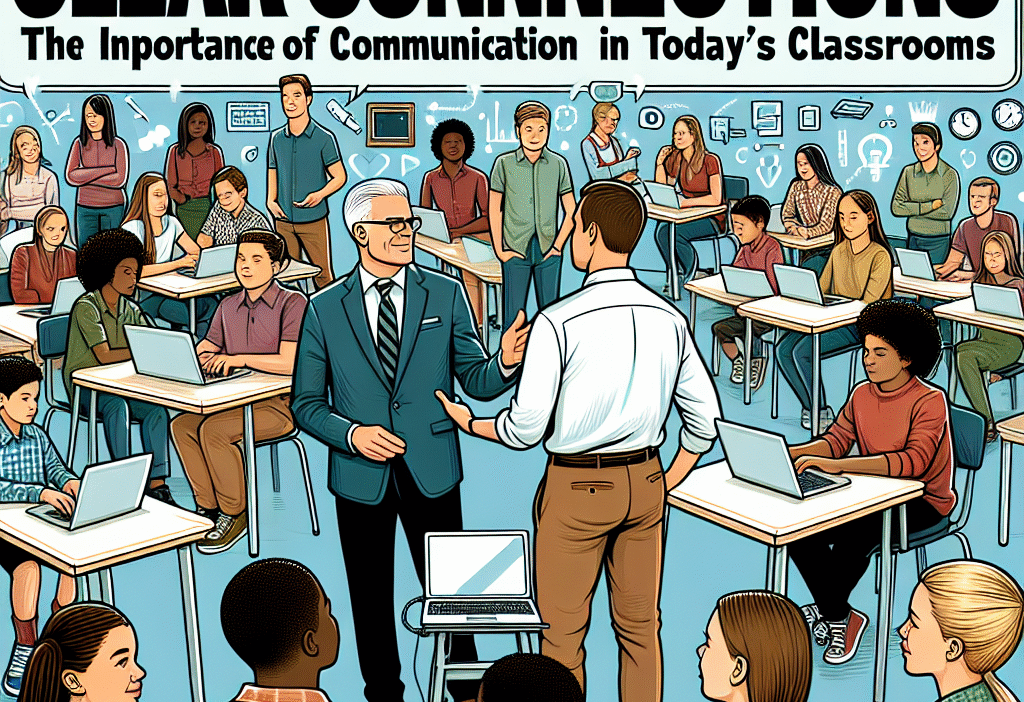
Clear Connections: The Importance of Communication in Today’s Classrooms
Introduction
In today’s fast-paced and ever-evolving educational landscape, effective communication is more crucial than ever. As classrooms blend traditional methods with modern technology, the importance of establishing clear connections becomes evident. Communication serves as the backbone of all interactions within the educational environment, influencing students’ engagement, understanding, and overall academic performance.
In this article, we will delve deep into Clear Connections: The Importance of Communication in Today’s Classrooms. We will explore the core aspects that highlight why communication is essential, how it affects student-teacher interactions, peer relationships, and overall classroom dynamics. Whether you are an educator, administrator, or even a parent, understanding this concept is vital for fostering a productive and inclusive learning environment.
Understanding the Significance of Communication
1.1 The Foundation of Learning
Clear communication is vital for academic success. Classroom communication encompasses verbal and non-verbal exchanges between teachers and students, students and peers, and even within curriculum materials. The clarity of these communications can significantly influence:
- Student Engagement: Engaged learners are actively invested in the process of learning.
- Comprehension: Clarity helps in transmitting complex ideas more effectively.
- Retention: Students are more likely to remember information discussed clearly.
1.2 Bridging the Gap
When communication is clear, it helps bridge the gap between teachers and students. This connection is essential for creating an environment that fosters collaboration and inclusiveness.
📊 Visual Aid: The Communication Cycle
- Sender: The teacher or student conveying a message.
- Message: The information that needs to be communicated.
- Channel: The medium through which the message is delivered (oral, written, visual).
- Receiver: The individual or group that receives and interprets the message.
- Feedback: The response which can enhance or clarify further communication.
1.3 Emotional Connections
Effective communication fosters emotional connections, reducing anxiety and promoting a sense of belonging. These emotional ties can lead to:
- Higher Motivation: Students are more likely to participate when they feel connected.
- Enhanced Mental Health: Emotional safety in classrooms can also reduce stress and anxiety levels.
The Role of Communication in Classroom Dynamics
2.1 Teacher-Student Interaction
Building Relationships
Establishing clear connections begins with strong teacher-student relationships. Teachers who foster open communication create a safe space for students to ask questions and express their thoughts. Strategies to enhance these interactions include:
- Active Listening: Ensure students feel heard and valued.
- Open-Ended Questions: Encourage deeper thinking and responses.
2.2 Peer Communication
Collaborative Learning
Encouraging students to communicate with their peers is essential for collaborative learning. Group work and discussions can nurture teamwork and problem-solving skills. Here are some strategies that promote effective peer communication:
- Structured Group Activities: Design tasks that require cooperation and dialogue among group members.
- Peer Feedback: Create opportunities for students to give and receive constructive criticism.
2.3 Inclusive Communication
In today’s diverse classrooms, effective communication must also address the needs of all students, including those with disabilities or language barriers. This can be achieved by:
- Utilizing Visual Aids: Incorporate charts, infographics, and images to support understanding.
- Use of Technology: Tools like translation apps and text-to-speech software can help bridge communication gaps.
The Impact of Technology on Classroom Communication
3.1 Digital Learning Environments
Technology has transformed how we communicate in classrooms. Tools such as learning management systems (LMS) like Google Classroom and Microsoft Teams facilitate communication between educators and students, as well as among peers. These platforms provide:
- Instant Feedback: Teachers can give real-time feedback on assignments and questions asked.
- Resource Access: Easy sharing of study materials and resources that enhance communication.
3.2 Social Media and Communication
Utilizing platforms such as Twitter or Instagram for educational purposes can amplify student voice and engagement. However, it is vital for educators to guide discussions on these platforms, ensuring that communication remains constructive and respectful.
🛡️ Example: #EdChat
Incorporating hashtags like #EdChat allows teachers to connect globally, share resources, and engage in meaningful conversations regarding best practices in education.
3.3 Challenges and Solutions
While technology enhances communication, it also poses challenges such as digital distractions and misinformation. To counteract these, educators can implement:
- Digital Citizenship Training: Teaching students about responsible and respectful online behavior.
- Focused Communication Tools: Limiting the use of multiple platforms to avoid overwhelming students.
Practical Strategies for Effective Communication
4.1 Clarity and Consistency
Clarity and consistency in communication can significantly enhance comprehension. Here are some actionable strategies:
- Clear Instructions: Provide step-by-step guidance for assignments, ensuring students fully understand expectations.
- Regular Updates: Keep students informed about changes in schedules, assignments, or grading.
4.2 Create a Safe Environment
An environment where students feel comfortable speaking up encourages participation. Strategies may include:
- Establish Ground Rules: Set mutually agreed-upon norms for respectful discourse.
- Encourage Mistakes: Normalize the learning process, highlighting that mistakes are opportunities for growth.
4.3 Encouraging Questions
Creating an atmosphere where students feel free to ask questions can enhance understanding. Techniques include:
- Question Time: Allocate specific times during or at the end of lessons for student questions.
- Anonymous Questions: Allow students to submit questions anonymously if they are hesitant to speak up.
Assessment and Feedback in Communication
5.1 Ongoing Feedback
Clear communication extends beyond instruction – it encompasses assessment practices as well. Effective feedback involves a:
- Timely Approach: Providing feedback as soon as possible to inform students of their progress.
- Constructive Criticism: Offer insight that guides improvement rather than just pointing out flaws.
5.2 Self-Assessment
Encouraging students to assess their own understanding fosters intrinsic motivation. Techniques include:
- Reflection Journals: Have students record their thoughts on what they learned and where they feel they need improvement.
- Peer Evaluation: Incorporate structured peer assessments that allow students to learn from one another.
Conclusion
In summary, Clear Connections: The Importance of Communication in Today’s Classrooms cannot be overstated. Communication underpins everything that occurs in an educational context, influencing relationships, engagement, and overall learning outcomes. By nurturing effective communication strategies, educators can create an inclusive, dynamic, and thriving classroom environment that empowers every student.
As you move forward in your educational journey, whether as a teacher, student, or parent, strive to prioritize communication. Remember, open dialogues and active listening contribute not only to academic success but also to emotional well-being and social skills.
FAQs
1. Why is communication important in classrooms?
Effective communication allows for better understanding, enhanced engagement, and emotional connections, all of which contribute to a positive learning environment.
2. What are some examples of effective communication techniques?
Active listening, open-ended questions, structured group activities, and providing timely feedback are practical techniques that enhance classroom communication.
3. How can technology improve communication in schools?
Technology provides platforms for instant feedback, easier access to resources, and opportunities for collaboration beyond geographical boundaries.
4. What should I do if I struggle to communicate with students?
Consider using multiple forms of communication such as visual aids and technology, and create an open environment for feedback to improve interactions.
5. How can I foster a safe communication environment in my classroom?
Establish clear ground rules, encourage participation, and normalize mistakes as learning opportunities to make students feel comfortable sharing their thoughts.
By implementing these insights into your teaching practices, you can make significant strides toward fostering Clear Connections in your classroom, ensuring every student has the opportunity to succeed.