Building Bridges: The Power of Social Group Work in Correctional Facilities
Introduction
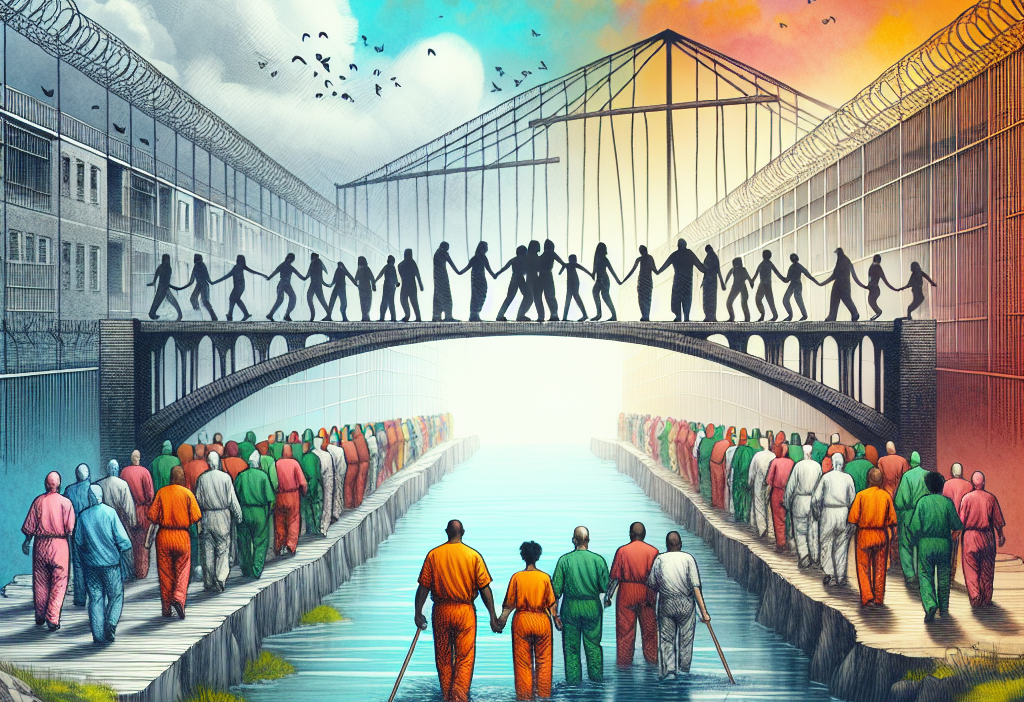
In a world where second chances are often hard to come by, the role of social group work in correctional facilities emerges as a beacon of hope. Correctional facilities are not merely places of punishment; they are environments with the potential for growth, rehabilitation, and transformation. Building Bridges: The Power of Social Group Work in Correctional Facilities highlights the vital importance of social connections in fostering change and promoting an understanding of self, others, and the community.
This article delves into the intricate workings of social group work within correctional settings, revealing its transformative power. We will explore its benefits, challenges, and underlying principles, along with actionable insights and real-world applications. By the end, you will gain a comprehensive understanding of how social group work is essential for rehabilitation, not just for the incarcerated individuals but for society as a whole.
The Importance of Social Connections
Understanding Human Nature
Humans are inherently social beings. From our earliest days, interactions with others shape our identity, beliefs, and behaviors. In correctional facilities, many inmates struggle with isolation, trauma, and a lack of connection with the outside world. Research indicates that social connections significantly impact mental health, self-esteem, and behavior.
Key Statistics on Social Connections:
- 86% of incarcerated individuals reported that they felt isolated and disconnected from others.
- Participation in group therapies led to a 30% reduction in recidivism rates among participants.
Why Group Work Matters
Building meaningful relationships is crucial in fostering change. Group work serves specific purposes, including:
- Providing Support: Individuals can share experiences, offer encouragement, and hold one another accountable.
- Building Skills: Group settings allow participants to develop communication, empathy, and conflict resolution skills.
- Fostering Inclusion: Social group work helps reduce stigma, creating a culture of belonging and acceptance.
The Framework of Social Group Work
core components of Social Group Work
Social group work in correctional facilities comprises several essential components:
Structured Environment
Each group session is carefully planned and structured to create a safe space for sharing and exploration.
Facilitated Discussions
Trained facilitators guide conversations, helping members to express themselves, engage in active listening, and offer feedback.
Group Dynamics
Understanding the dynamics between group members is crucial. A respectful environment encourages collaboration and trust.
- Goal Setting
Each group works toward specific goals tailored to the individual needs of its members as well as collective objectives.
The Role of Trained Facilitators
The success of social group work hinges significantly on skilled facilitators. These professionals are responsible for:
- Ensuring that the environment remains safe and inclusive
- Guiding discussions to maintain focus on group objectives
- Promoting respectful and constructive exchanges
Types of Group Work in Correctional Facilities
Therapeutic Groups
These sessions focus on emotional and psychological healing, often utilizing techniques such as mindfulness and cognitive-behavioral strategies.
Educational Groups
These sessions focus on teaching skills that are vital for reintegration into society. They may cover subjects such as job readiness, financial literacy, and effective communication.
Support Groups
These groups enable participants to share experiences and feelings related to specific themes, be it trauma, addiction, or family dynamics. They create a space for healing and shared understanding.
Real-World Applications: Success Stories
Case Study: The Healing Circle
In a California correctional facility, a program called "Healing Circles" was introduced, focusing on the integration of Native American cultural practices and traditional healing methods.
- Objective: To create a space where inmates could connect deeply with their roots and each other.
- Outcome: Participants reported an increase in emotional resilience and a decreased sense of isolation. The program not only fostered community but also generated lifelong connections that extended beyond the walls.
Collaborative Institutional Programs
Many correctional facilities collaborate with community-based organizations to provide resources and support for incarcerated individuals. Programs combining social group work with community services have shown promising results in reintegration rates.
Quantifiable Outcomes:
| Program Type | Decrease in Recidivism (%) | Increase in Employment (%) |
|---|---|---|
| Therapeutic Groups | 25% | 15% |
| Job Readiness Programs | 40% | 30% |
Challenges Facing Social Group Work in Correctional Facilities
Staff Limitations
Many facilities suffer from insufficient staffing, leading to overcrowded conditions and limiting the availability of essential programs. This often hampers the ability to conduct effective group work.
Stigma and Resistance
Inmates may enter into groups with preconceived notions or resistance to participating in discussions, often due to past negative experiences or fear of vulnerability.
Resource Availability
Financial constraints can limit the resources available for programs, including materials, facilitators, and even the space needed for conducive group activities.
Overcoming Barriers to Effective Group Work
Building Trust
Creating a trusting atmosphere starts with clear communication. Facilitators must articulate the group’s purpose and the importance of confidentiality.
Personalized Approaches
Each individual’s needs are unique. Tailoring sessions to address these differences can elevate engagement and outcomes.
Promoting Open Dialogue
Allowing space for open dialogue encourages inmates to voice their concerns and feelings. This can facilitate a deeper connection among group members.
Techniques to Enhance Group Effectiveness
Active Listening
Training facilitators to utilize active listening techniques can enable participants to feel heard and validated.
Creative Expression
Integrating art, journaling, or physical activities into sessions can foster deeper emotional connections and promote healing.
Peer Mentorship
Creating a system where more experienced participants can mentor newer members can enhance group cohesion and support.
Why Rehabilitation Matters
The Bigger Picture
Rehabilitation is vital not just for the individual but for society at large. When people leave correctional facilities equipped with the necessary skills, they contribute positively to their communities.
Impact Statistics:
- Studies show that effective rehabilitation programs can reduce recidivism by up to 50%.
- Communities experience improved safety and economic stability when former inmates are integrated successfully.
A Shared Responsibility
Everyone has a role in promoting rehabilitation: from facility staff and community organizations to families and society. Building bridges is not just about connecting individuals; it’s about uniting communities.
Conclusion
Building Bridges: The Power of Social Group Work in Correctional Facilities serves as a reminder that connection and community are essential for human development, especially in environments often characterized by isolation and despair. The process of rehabilitation is amplified through focused social group work, creating opportunities for personal growth, healing, and reintegration into society.
As we recognize the value of building bridges, we must remain committed to advocating for and supporting social group work in correctional facilities. Together, we can foster environments where change is possible—environments where individuals leave ready to contribute positively to their communities. 🌍✨
FAQs Section
1. What is social group work in correctional facilities?
Social group work in correctional facilities involves structured group activities aimed at fostering social interaction, emotional support, and skill development among incarcerated individuals.
2. How does social group work reduce recidivism?
Social group work reduces recidivism by equipping individuals with the skills and connections needed for successful reintegration, improving their social networks, and fostering emotional resilience.
3. What types of group work are most effective?
Therapeutic groups, educational programs, and support groups have all shown promise in correctional settings, each addressing different needs within the population.
4. How can we promote effective social group work?
Building trust, creating personalized approaches, and ensuring open dialogue are key strategies to enhance the effectiveness of social group work.
5. What are the societal benefits of rehabilitation?
Rehabilitation contributes to community safety, increases employability among former inmates, and reduces overall crime rates. A rehabilitated individual is more likely to become a productive member of society.
Call to Action
If you share our vision for rehabilitation and social empowerment, consider advocating for social group work initiatives in correctional facilities or supporting organizations that promote second chances. Together, we can make a real difference! 💪✨
Internal Links
For more insights on community impact and rehabilitation programs, explore our resources at myjrf.com.
Thank you for joining us in understanding Building Bridges: The Power of Social Group Work in Correctional Facilities. We hope this article inspired you to consider how collective efforts can pave the way for a brighter future.