Introduction
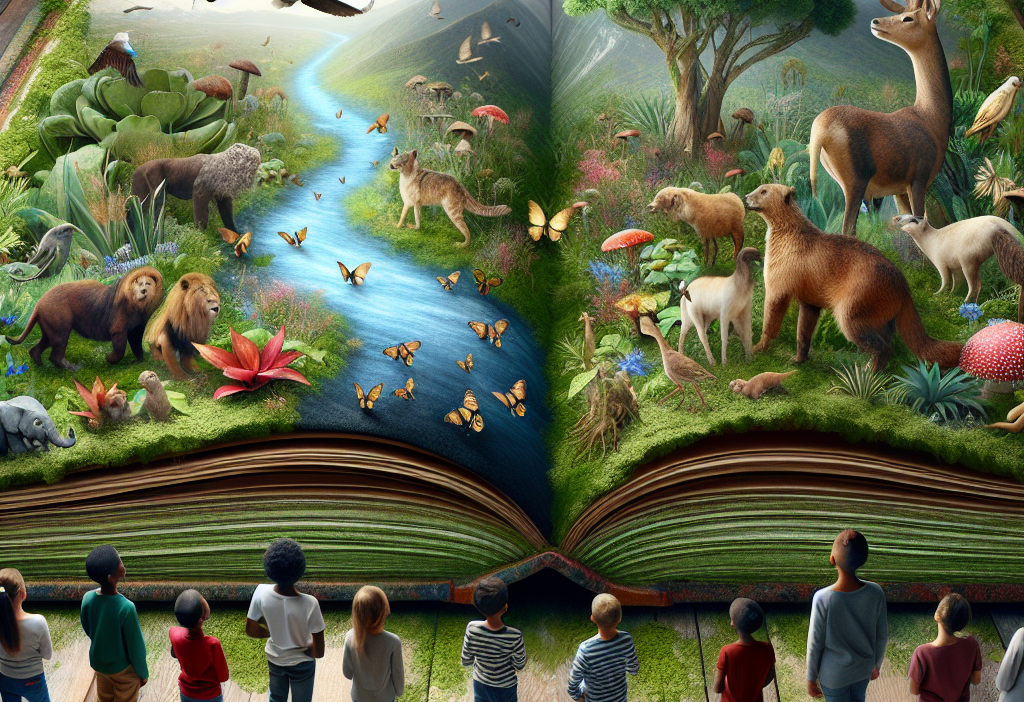
Have you ever watched a child’s face light up at the sight of a butterfly or observed them getting lost in a patch of wildflowers? 🌼 These moments demonstrate the innate curiosity children have for the natural world. However, as our society becomes increasingly urbanized and technology-driven, a disconnect is emerging between youth and their natural environment. Hence, the phrase “Bridging the Gap: Connecting Youth with Their Natural World through Education” becomes crucial. It encapsulates not only the necessity of fostering a connection between children and nature but also presents effective educational strategies to do so.
In this comprehensive article, we will discuss the importance of connecting youth with their natural world and explore various educational methods, programs, and practical steps that can help cultivate this relationship. Prepare for a journey that not only informs but also inspires action! 🌎
Why Connecting Youth with Nature Matters
The Psychological Benefits of Nature Exposure
Engagement with nature provides numerous psychological benefits. Studies reveal that spending time outdoors can reduce stress, enhance mood, and alleviate symptoms of anxiety and depression. The restorative effects of nature are profound; in fact, research indicates that time spent outdoors can improve concentration, boost creativity, and even foster empathy.
The Role of Nature in Development
From physical health to cognitive growth, nature plays an undeniable role in youth development. Young children foraging in the woods or teenagers hiking up a mountain are not just engaging in recreational activities; they are also building resilience, teamwork, and decision-making skills. This relationship lays the groundwork for future environmental stewardship. 🌱
Environmental Literacy and Awareness
Educating youth about their environment fosters a sense of responsibility. Environmental literacy is vital in cultivating eco-conscious adults who are informed about sustainable practices. Therefore, the foundation laid in childhood can shape environmentally responsible behaviors in adulthood.
Methods of Bridging the Gap
1. Outdoor Classroom Initiatives
Outdoor classrooms are designed to immerse students in the natural world while offering them a structured learning environment.
Advantages:
- Enhances sensory experiences.
- Promotes experiential learning.
Implementation Examples:
- Schools can develop gardens, outdoor labs, and nature trails as venues for experiential learning.
- Step-by-Step Breakdown:
- Assess Available Space: Identify areas of the schoolyard or community that can serve as outdoor learning environments.
- Develop a Curriculum: Collaborate with educators to design subjects aligning nature studies with existing curricula.
- Engage Community Volunteers: Involve parents and local organizations for resources and manpower.
🖼️ [Insert Image of an Outdoor Classroom]
2. Nature-Based Educational Programs
These programs ensure that learning occurs in a natural setting, allowing students to engage with their environment more deeply.
Types of Programs:
- Environmental camps
- Nature workshops
- Field trips focusing on conservation
- Impact on Youth:
- Increases observational and critical thinking skills.
- Develops a collaborative spirit as students work together on projects like wildlife surveys.
3. Environmental Stewardship Projects
Hands-on projects can motivate youth to take charge of their environment.
Project Ideas:
- Organizing local clean-ups
- Developing school recycling programs
- Engaging in tree-planting initiatives
- Skills Developed:
- Project management
- Leadership
4. Integrating Technology with Nature Education
In today’s tech-savvy world, blending technology and nature education is vital.
- Virtual Field Trips: Using technology to explore distant natural sites.
- Apps for Nature Exploration: Utilizing mobile apps for identifying plants and animals to engage students’ curiosity.
Actionable Steps for Educators and Parents
Promote Outdoor Play
Encourage children to play outside, creating environments where they can explore. Schools and communities can facilitate this by:
- Creating safe play areas
- Organizing outdoor events
- Offering equipment like magnifying glasses or field guides 📚
Foster Nature-Related Curiosity
Encouraging questions and exploration is fundamental. Here’s how:
- Ask open-ended questions: “What do you think lives in this tree?”
- Pursue nature walks, turning them into discovery journeys where youth can learn about wildlife, plants, and ecosystems.
Collaborate with Local Organizations
Many community organizations focus on environmental education. Schools and families can partner with these organizations to enrich learning experiences and provide valuable resources.
Innovative Programs Making a Difference
Several innovative programs have effectively bridged the gap between youth and nature:
Nature Conservancy’s "Tens of Thousands Program": A nationwide initiative where children engage with local ecosystems through collaborative projects.
Project Learning Tree: An environmental education program that uses interactive lessons to teach students about forests and trees.
- Wildlife Conservation Society: Engaging youth through action projects aimed at protecting local habitats while emphasizing the critical relationship between humans and wildlife.
🖼️ [Insert Chart of Successful Nature Programs]
The Importance of Community Engagement
Building Support Systems
Community involvement is crucial in bridging the gap. Initiatives can thrive through:
- Workshops for Parents: Educate them on the benefits of nature exposure.
- Volunteer Opportunities: Involving parents in nature programs fosters community bonds.
Local Natural Reserves and Parks
Encouraging visits to local parks or nature reserves can cultivate interest in the environment. Schools can organize field trips to such sites, leading to hands-on learning experiences.
Conclusion
Bridging the Gap: Connecting Youth with Their Natural World through Education is not merely a hopeful aspiration; it is an urgent necessity. The benefits of connecting our youth with nature are multifaceted, impacting their mental, emotional, and physical well-being. By fostering this connection through innovative educational methods, community support, and parental engagement, we lay the foundation for a brighter, ecologically conscious future.
As we strive to implement these strategies, remember that every small step contributes to building a better relationship with our natural world. Let’s transform classrooms, homes, and communities into ecosystems that empower our youth to flourish alongside nature. 🌳
Frequently Asked Questions (FAQs)
1. How do outdoor classrooms affect children’s learning outcomes?
Research shows that outdoor classrooms enhance learning by providing engaging, sensory-rich experiences that help in memory retention and critical thinking.
2. What age is best to introduce kids to nature education?
Introducing children to nature education can begin as early as preschool. Young children are naturally curious and will benefit from experiences that foster that curiosity through exploration.
3. What are some simple activities I can do at home to connect my child with nature?
Simple activities include nature scavenger hunts, gardening together, or observing local wildlife through the window.
4. How can I get involved in local environmental activities?
Check for local community events focused on cleaning parks, planting trees, or engaging in educational workshops with local conservation groups.
5. Are there online resources for nature education?
Yes! Websites like Project Learning Tree and the National Wildlife Federation offer multiple resources, lesson plans, and activities for connecting youth with their natural surroundings online.
In an era filled with distractions, let’s remember the ultimate goal: nurturing a deep-rooted connection to our natural world. Bridging the gap is not just a concept—it’s a movement. Let’s commit to cultivating this connection for the benefit of future generations! 🌟