Bridging Melodies: Exploring the Intersection of Karnatak and Hindustani Ragas
Introduction
The world of Indian classical music is a kaleidoscope of sounds, each intricately woven from centuries of cultural history and artistic exploration. Among its many treasures, the two dominant traditions—Karnatak and Hindustani music—stand as majestic pillars. Each represents distinct philosophies, practices, and tonal frameworks, yet both convey a universal emotional language through the medium of ragas. 🎶
In this comprehensive article, we will explore Bridging Melodies: Exploring the Intersection of Karnatak and Hindustani Ragas, delving into their similarities, differences, and the unique combinations that arise when these traditions intersect. This exploration is more than just an academic endeavor; it’s an invitation to discover a world of harmonic richness that appeals to both lovers of music and aspiring musicians.
Key Aspects Covered:
- The foundational principles of Karnatak and Hindustani music.
- A detailed analysis of selected ragas from both traditions.
- The practical implications of blending these two musical styles.
- Techniques for musicians looking to explore this intersection.
- Visual aids and resources to enhance your understanding.
The Foundation: Understanding Ragas
Before we dive into the realm of intersection, it’s essential to grasp what ragas are and their cultural significance in both musical traditions.
What is a Raga?
A raga is a melodic framework that serves as the basis for improvisation and composition in Indian classical music. Each raga possesses its own set of rules and evokes specific emotions or moods (Rasa). For instance, some ragas are sacred and align with religious themes, while others may express love, longing, or joy.
Table 1: Emotional Associations of Popular Ragas
| Raga | Emotion | Time of Presentation |
|---|---|---|
| Yaman | Romance | Night |
| Bhimpalasi | Hope | Late Evening |
| Hamsadhwani | Joy | Morning |
| Kalyani | Devotion | Early Morning |
Karnatak vs. Hindustani Music: A Comparative Overview
Historical Context
Karnatak music, rooted primarily in southern India, has developed over centuries with influences from various dynasties, while Hindustani music emerged in the north, shaped significantly by Persian and Mughal elements. This historical divergence has led to varied stylistic nuances, yet both share common ground in their emphasis on ragas and talas (rhythmic cycles).
Structural Differences
While both musical styles utilize ragas, they differ significantly in form:
Karnatak Music:
- Often focuses on compositions and structured forms like Varnams and Kritis.
- Emphasizes voice leading and typically features a melody-first approach.
- Hindustani Music:
- Leans towards improvisation with an emphasis on Alap (the initial melodic exploration).
- Employs compositions in forms like Gharanas, reflecting regional styles.
Chart 1: Key Differences in Structure and Approach
| Feature | Karnatak Music | Hindustani Music |
|---|---|---|
| Focus | Compositions | Improvisation |
| Typical Duration of Alap | Shorter | Longer |
| Instrumentation | Vocal-centric; includes Veena, Mridangam | Tabs, Sitar, Sarangi |
Common Ragas: A Closer Look
Raga Yaman: A Study in Grace
Both Karnatak and Hindustani traditions recognize Raga Yaman. This raga, noted for its romantic character, serves as a perfect case study of how one melody can take on entirely different embodiments.
Hindustani Yaman
- Notes: Ni, Sa, Re, Ga, Ma (sharp), Pa, Dha
- Character: Elevates the mood to one of tranquility and longing.
Karnatak Yaman
- While closely aligned, Karnatak Yaman may adapt slightly, using the natural form of Ma for distinct expressions.
Raga Bhimpalasi: A Union of Versatility
Raga Bhimpalasi is another essential raga that bridges these two traditions, evoking deep emotional responses.
Hindustani Bhimpalasi
- Notes: Ni, Pa, Dha, Ma, Re, Ga
- Character: Represents the essence of yearning and introspection.
Karnatak Bhimpalasi
- More structured, employing shorter phrases and tapping into devotional themes.
Table 2: A Comparative Study of Raga Interpretations
| Raga | Hindustani Interpretation | Karnatak Interpretation |
|---|---|---|
| Yaman | Emphasis on Alap and gradual unfolding | Structured with sharp musical phrases and lyrics |
| Bhimpalasi | Flows with improvisation in higher registers | Tends to be concise, focused on rhythmic cycles |
Bridging Techniques: Practical Exploration
For musicians enthusiastic about blending both styles, several techniques can be incorporated to seamlessly navigate through both styles.
1. Melodic Blending
A simple yet effective way to merge the two traditions is through melodic improvisation. An instrumentalist can start with a Hindustani raga phrase and transition into a Karnatak one by modifying patterns while adhering to the original character.
2. Cross-Style Compositions
Creating compositions that honor both traditions can lead to new forms. For example, a song might begin in a Karnatak structure, then shift into Hindustani improvisation for the second half.
3. Rhythmic Exploration
Experimenting with talas common to both traditions can add layers to compositions. Hindustani music often utilizes intricate rhythms, while Karnatak music emphasizes consistent cycles.
4. The Role of Instruments
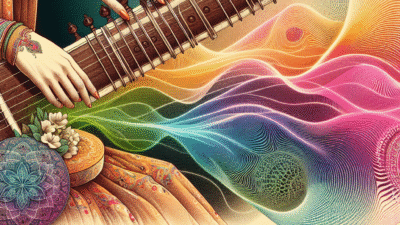
Utilizing instruments common to both styles can aid in bridging melodies. For instance, the sitar can be used to portray Hindustani expressions while simultaneously creating space for Karnatak-specific phrases.
5. Interactive Performance
Collaborative performances between musicians from both traditions can organically introduce forms and styles in an engaging environment, allowing for real-time exploration and creativity.
Visual Aids
Here’s a visual representation showcasing some of the foundational elements of both musical forms, emphasizing their similarities and differences.
Chart 2: Key Elements of Karnatak and Hindustani Music

Conclusion
In a world often defined by division, the intersection of Karnatak and Hindustani ragas highlights the beauty of unity through diversity. This exploration of Bridging Melodies serves as a reminder that, while rooted in distinct traditions, these musical forms share an emotional depth and resonance that transcends barriers.
Inspiring Insight
So, whether you’re a performer, composer, or simply an admirer of Indian classical music, take the leap to explore these intersecting melodies. Each raga, every note, and every rhythm presents an opportunity for discovery and expression.
Frequently Asked Questions
1. What is the primary difference between Karnatak and Hindustani music?
Karnatak music focuses more on structured compositions, while Hindustani music emphasizes improvisation.
2. Can one musician effectively perform in both styles?
Yes! Musicians can adopt techniques and aspects from both traditions, enriching their overall musicality.
3. How do ragas differ from Western musical scales?
Ragas include specific notes and emotional expressions that are not strictly defined in Western scales, allowing more interpretative freedom.
4. Are there any notable collaborations between Karnatak and Hindustani musicians?
Yes, numerous collaborations and fusion projects exist, promoting dialogue and creativity across styles.
5. Where can I study more about Karnatak and Hindustani music?
You can explore resources and many quality courses available on platforms like MyJRF to deepen your understanding of these vibrant traditions.
This comprehensive exploration of Bridging Melodies: Exploring the Intersection of Karnatak and Hindustani Ragas invites readers to not only learn about but also actively engage with and participate in the beautiful world of Indian classical music. Embrace this journey and let the melodic bridges inspire your musical expression! 🎵