Introduction
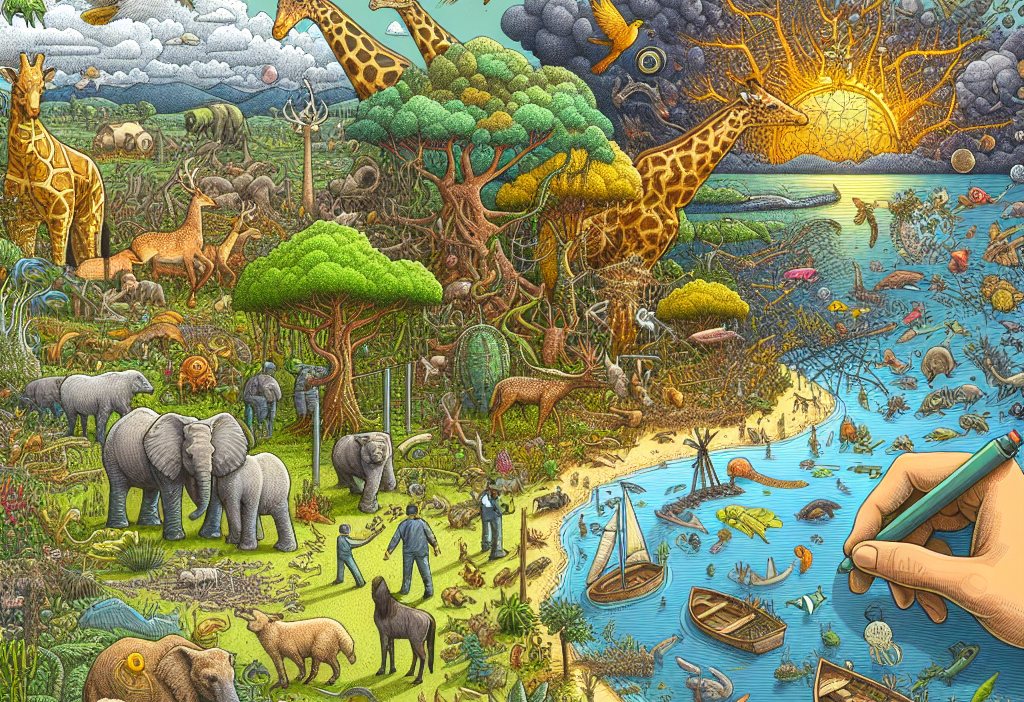
Imagine a world where vibrant coral reefs, lush forests, and diverse wildlife have become mere memories. This dystopian vision underscores the urgent reality of biodiversity loss, a critical environmental issue that endangers ecosystems across the globe. As the richness of life on Earth continues to dwindle, understanding its causes and consequences becomes essential for sustainable living.
In this comprehensive article, we will delve into the multifaceted nature of biodiversity loss, exploring its defining factors and far-reaching implications. We’ll provide actionable insights, practical strategies for conservation, and engaging visuals to simplify complex ideas. Our goal is not just to inform but to inspire collective action towards saving our planet’s invaluable biological heritage.
What is Biodiversity?
Biodiversity refers to the variety of life on Earth, encompassing all living organisms across ecosystems, from microscopic bacteria to towering trees. It includes three primary levels:
- Genetic Diversity: Variations within species that enable adaptation and resilience.
- Species Diversity: The different types of living organisms, accounting for the full range from plants to animals to fungi.
- Ecosystem Diversity: The varied ecosystems that provide habitats and address the complex interactions among species.
Understanding biodiversity is crucial because each level contributes to the health and stability of the environment, influencing everything from climate regulation to food security.
The Causes of Biodiversity Loss
1. Habitat Destruction 🏞️
The most significant driver of biodiversity loss is habitat destruction, primarily caused by:
- Deforestation: The clearing of forests for agriculture, logging, and urban development disrupts ecosystems and drives species to extinction.
- Urbanization: Expanding cities encroach on natural habitats, leading to fragmentation that isolates species populations and reduces genetic diversity.
2. Climate Change 🌡️
Global temperature rises and extreme weather events alter habitats, leading to:
- Shifts in species distribution: As habitats change, many species struggle to adapt or relocate, resulting in population declines.
- Ocean acidification: Increased CO2 levels affect marine ecosystems, particularly coral reefs, which rely on stable conditions.
3. Pollution 🌊
Pollution, including chemicals, plastics, and agricultural runoff, has dire effects on biodiversity:
- Water pollution can obliterate aquatic life, disrupting food chains.
- Air pollution affects respiratory health in species, leading to declines in population numbers.
4. Overexploitation 🐾
Unsustainable practices in hunting, fishing, and harvesting resources contribute to biodiversity loss:
- Overfishing depletes fish stocks, leading to ecosystem imbalances.
- Poaching and illegal wildlife trade threaten endangered species, pushing them closer to extinction.
5. Invasive Species 🌍
Non-native species can disrupt ecological balance by:
- Competing with indigenous species for resources.
- Introducing diseases that native species cannot withstand.
Consequences of Biodiversity Loss
Biodiversity loss has profound consequences, not just for the environment, but for human societies as well. Here’s a deeper look into some of the most critical impacts:
1. Ecosystem Instability
Biodiversity underpins ecosystem resilience. Reduced diversity leads to:
- Increased vulnerability to diseases and pests.
- Disruption of essential ecosystem services like pollination, water purification, and nutrient cycling.
2. Economic Impact 💰
Many industries rely directly on diverse biological resources. Biodiversity loss can affect:
- Agriculture: Pollinator declines directly impact crop yields and food security.
- Tourism: A decrease in natural attractions can hurt local economies reliant on ecotourism.
3. Social and Cultural Effects
Biodiversity shapes cultural heritage and identity:
- Indigenous communities often depend on local biodiversity for traditional practices, food, and medicine.
- Loss of biodiversity can lead to diminished cultural practices and knowledge systems.
4. Health Risks
As biodiversity decreases, we face heightened health risks:
- Reduced genetic diversity in crops can lead to increased food insecurity, making populations more susceptible to malnutrition.
- The proliferation of zoonotic diseases, linked to habitat destruction and wildlife trade, poses direct threats to human health, as illustrated during the COVID-19 pandemic.
Actionable Strategies to Combat Biodiversity Loss
1. Promote Sustainable Practices
Adopt sustainable methodologies across industries to reduce habitat destruction and overexploitation.
- Agriculture: Support organic farming that maintains biodiversity and avoids harmful pesticides.
- Fishing: Opt for sustainably sourced seafood to protect marine ecosystems.
2. Increase Conservation Efforts
Engage in or support conservation initiatives focused on protecting endangered species and habitats.
- Volunteer with local organizations working on habitat restoration and protection.
- Advocate for policies that preserve critical ecosystems, such as wetlands and forests.
3. Support Education and Awareness
Raise awareness about biodiversity loss and its implications by:
- Participating in community outreach programs that focus on environmental education.
- Leveraging social media platforms to disseminate information and resources.
4. Foster Biodiversity-Friendly Policies
Collaborate with policymakers to implement robust environmental regulations.
- Advocating for land use policies that incorporate biodiversity conservation principles.
- Support legislation aimed at reducing carbon emissions to mitigate climate change effects.
Conclusion
As we navigate through the intricacies of biodiversity loss, it becomes clear that understanding its causes and consequences is integral to our survival as a species. By actively engaging in sustainable practices, supporting conservation efforts, and raising awareness, we can contribute positively towards the future of our planet.
Remember, our collective actions can forge a path towards a healthier, more biodiverse world. 🌍✨ Let’s be the change we wish to see.
FAQs
1. What is biodiversity loss?
Biodiversity loss refers to the decline in the variety and variability of life forms across ecosystems, caused by factors such as habitat destruction, climate change, pollution, overexploitation, and invasive species.
2. Why is biodiversity important?
Biodiversity is essential for maintaining ecosystem health, supporting food security, providing medicinal resources, and maintaining cultural identities. It enhances resilience against environmental changes.
3. How can individuals help combat biodiversity loss?
Individuals can help by implementing sustainable practices in daily life, supporting conservation organizations, participating in local clean-up efforts, and educating others about biodiversity.
4. What role does climate change play in biodiversity loss?
Climate change disrupts habitats, alters species distribution, and affects biodiversity through temperature increases, extreme weather events, and shifting ecosystems, exacerbating species extinction risks.
5. Can biodiversity loss impact human health?
Yes, a decline in biodiversity can lead to food insecurity, increased vulnerability to zoonotic diseases, and compromised ecosystem services that are vital for clean water and air.
By delving into the profound aspects of biodiversity loss: understanding its causes and consequences, this article seeks to educate and inspire action. The future of our planet depends on our willingness to engage and act for its preservation. Join the movement today! 🌿🌏