Beyond the Books: The Essential Necessity of Environmental Laws in 21st Century Education
Introduction
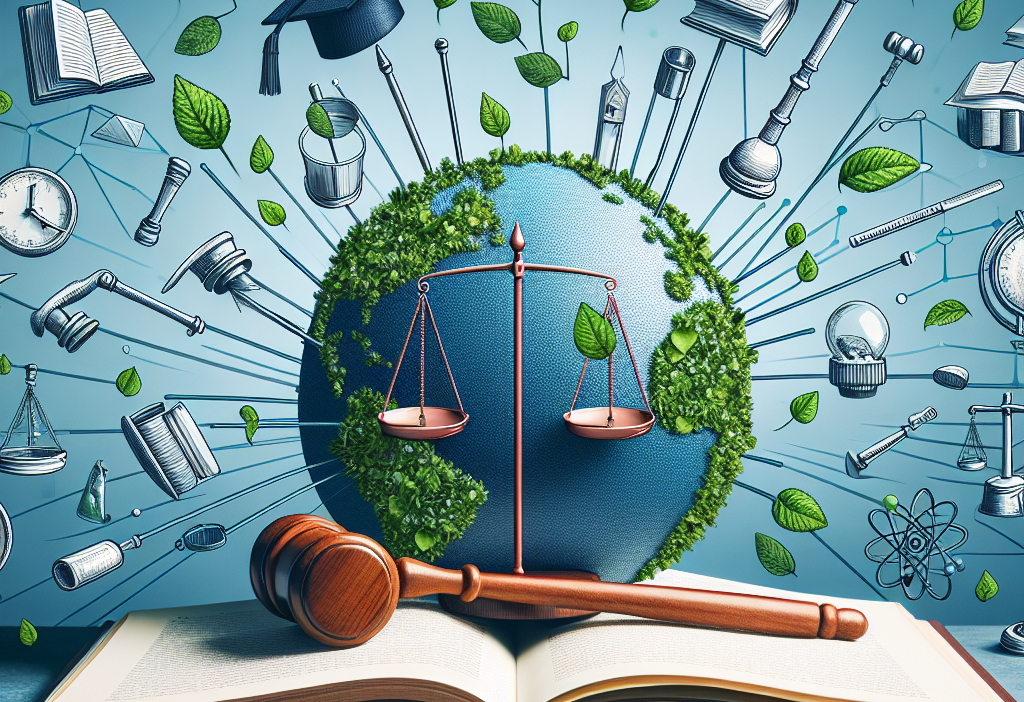
In an era where climate change and environmental degradation have become pressing issues, understanding the importance of environmental laws has never been more vital. 🏞️ Education, traditionally thought to be confined within classrooms and textbooks, is evolving to encompass broader societal responsibilities, particularly environmental stewardship. In this article, we’ll explore Beyond the Books: The Necessity of Environmental Laws in 21st Century Education, examining why integrating these laws into educational curricula is essential for shaping informed, responsible citizens of tomorrow.
Education systems around the world are beginning to recognize that conventional teaching methods must include a focus on real-world issues, such as environmental sustainability. By incorporating environmental laws into the education framework, we not only empower students with knowledge but also inspire them to take meaningful action. Let’s delve deep into this crucial topic and uncover actionable insights, real-world applications, and the positive impact of making environmental laws a core component of our education systems.
The Current State of Environmental Education
Understanding Environmental Laws
Before we explore the educational implications, it’s important to define what we mean by environmental laws. Environmental laws are statutes, regulations, and agreements that govern the interaction between human activity and the natural environment. These laws aim to protect air and water quality, conserve biodiversity, and manage natural resources sustainably.
The Importance of Environmental Laws in Education
Having a foundational understanding of environmental laws is vital for several reasons:
- Awareness: A solid grasp of these laws enables students to understand the legal frameworks designed to protect the environment.
- Responsibility: Knowing the laws fosters a sense of accountability for one’s actions regarding environmental issues.
- Engagement: When students learn about environmental laws, they become more engaged in advocacy and activism.
Current Gaps in Education
Despite the importance of environmental laws, many educational curriculums lack adequate coverage on this topic. This gap can be attributed to:
- Curriculum Constraints: Traditional subjects often overshadow vital new topics.
- Lack of Resources: Teachers may not have the necessary training or resources to effectively teach environmental laws.
As we progress through this article, we’ll outline why addressing these gaps through a comprehensive educational approach is essential for a sustainable future.
Integrating Environmental Laws into the Curriculum
1. Curriculum Development
Creating a robust curriculum that includes environmental laws can be approached in various ways:
Interdisciplinary Methods: Incorporate environmental laws into existing subjects like science, social studies, and even literature. For instance, science classes can involve case studies on the Clean Air Act or the Endangered Species Act.
- Project-Based Learning: Develop projects that require students to analyze local environmental issues within the context of applicable laws. For example, students could investigate local pollution issues and propose how certain laws could be enforced or improved.
2. Teacher Training
Providing educators with the necessary training and resources is crucial for effective implementation:
Workshops & Seminars: Conduct workshops focusing on environmental laws and their implications, offering teachers tools to incorporate these into their lessons.
- Resource Materials: Create educational resources, such as guides and textbooks, centered around environmental laws and their relevance to daily life.
3. Engaging Students
To keep students interested and engaged, use innovative teaching approaches:
Field Trips: Organize visits to local environmental agencies or natural parks where students can see environmental laws in action.
- Guest Speakers: Invite environmental lawyers or activists to speak about the importance of laws in environmental protection.
4. Utilizing Technology
In the digital age, technology can enhance environmental education:
Interactive Learning Tools: Use apps or online platforms to simulate legal cases related to environmental issues.
- Online Resources: Provide students with access to a wealth of online materials such as documentaries and podcasts focusing on environmental laws.
Case Studies: Successful Integrations
Example 1: An Environmental Law Course
Several institutions now offer dedicated courses on environmental law that include:
- Overview of key legislation (e.g., the Clean Water Act)
- Case studies analyzing legal precedents.
- Simulated court cases that place students in the roles of lawyers and defendants.
Example 2: Local Initiatives
Community-based projects have emerged that foster hands-on learning about local environmental laws:
In cities with heavy industrial activity, schools may partner with local governments to understand compliance with environmental regulations.
- Students may participate in community clean-up events, understanding local laws about waste management and conservation.
The Role of Advocacy in Education
Understanding the Importance of Student Advocacy
Education should not only impart knowledge but also empower students to become advocates for change. Here’s how educators can encourage advocacy:
Debates and Discussions: Facilitate debates on environmental laws that might foster critical thinking and dialogue among students.
- Service Learning Projects: Encourage students to engage with local environmental organizations, providing them with real-world experience.
Collaborative Efforts with NGOs
Partnering with non-governmental organizations can provide resources, expertise, and a platform for student advocacy:
Workshops: NGOs can conduct specialized workshops focusing on legal rights related to environmental issues.
- Volunteer Opportunities: Provide students with avenues for volunteering, further enhancing their understanding through practical experiences.
The Impact of Environmental Laws on Society
Global Perspective
Internationally, the impact of environmental laws has been profound:
Improvements in Air Quality: Countries with stringent air quality laws have seen significant reductions in air pollution levels.
- Biodiversity Conservation: Laws that protect endangered species have shown positive outcomes in wildlife preservation.
Local Perspective
On a local level, integrating environmental laws into education allows students to:
- Understand the direct impact of legislation on their community.
- Advocate for better practices and policies.
The Future of Education
Embracing Sustainability
As we move into a future facing unprecedented environmental challenges, education must evolve:
Emphasis on Critical Thinking: Equip students to think critically about complex issues rather than passively receive information.
- Global Citizenship: Foster a sense of responsibility that transcends borders, preparing students to become global citizens.
Lifelong Learning
Education should not stop at graduation. Encouraging lifelong learning about environmental laws and their applications will create informed citizens who are continuously engaged.
Conclusion
In conclusion, Beyond the Books: The Necessity of Environmental Laws in 21st Century Education extends beyond mere knowledge. It is about nurturing informed advocates for the future, equipped with the understanding of their rights and responsibilities regarding the environment. By integrating environmental laws into educational curricula, we cultivate not only knowledge but also action-oriented mindsets in our students.
As we strive towards a sustainable future, let’s inspire the next generation to not only embrace environmental laws but to champion them. Together, we can foster a world where informed citizens take the reins in advocating for a healthier planet. 🌍
FAQs
1. What are environmental laws?
Environmental laws are regulations and statutes designed to protect the environment from harm caused by human activity, covering areas like air quality, water quality, and wildlife conservation.
2. Why is it important to include environmental laws in education?
Inclusion helps students understand their rights and responsibilities towards the environment, fosters engagement, and prepares them to advocate for effective environmental policies.
3. How can teachers effectively teach environmental laws?
Through an interdisciplinary approach, project-based learning, and engaging resources, teachers can make environmental laws relatable and applicable to students’ lives.
4. What resources are available for educators?
There are numerous guides, workshops, and online platforms offering materials focused on environmental laws tailored for educational use.
5. How do environmental laws influence community practices?
Environmental laws set standards that communities must follow, influencing local policies and practices regarding pollution, conservation, and resource management.
By making environmental laws an integral part of education, we help ensure that future generations are not only aware of their legal frameworks but also empowered to act within them. The journey towards a sustainable future begins in the classrooms of today. Feel empowered, get involved, and become part of the solution! 🌱