

Introduction
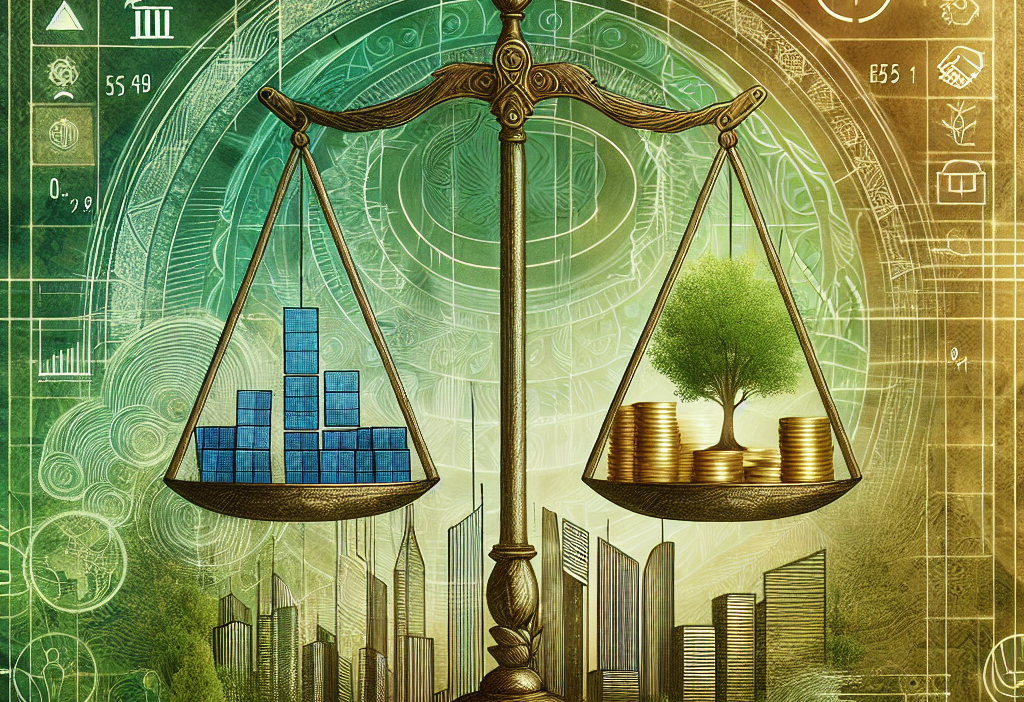
In a world where economic growth often comes at the expense of environmental sustainability, the concept of balancing prosperity has never been more crucial. The Sustainable Development Goals (SDGs), established by the United Nations in 2015, provide a comprehensive framework aimed at addressing global challenges such as poverty, inequality, climate change, environmental degradation, peace, and justice. This article delves into Balancing Prosperity: How Sustainable Development Goals Drive Economic Growth, exploring how these goals can create a harmonious relationship between economic advancement and sustainable practices.
As we navigate through this intricate landscape, we will uncover the vital role of the SDGs in fostering economic growth while ensuring that our planet remains habitable for future generations. By the end of this article, you will gain insights into actionable strategies that can be implemented by businesses, governments, and individuals alike to contribute to a more sustainable and prosperous future.
Understanding Sustainable Development Goals (SDGs)
What Are the SDGs?
The Sustainable Development Goals consist of 17 interconnected goals designed to be a "blueprint to achieve a better and more sustainable future for all." These goals cover a wide range of social, economic, and environmental development issues, including:
- No Poverty: Eradicating extreme poverty for all people everywhere.
- Zero Hunger: Ending hunger, achieving food security, and promoting sustainable agriculture.
- Good Health and Well-Being: Ensuring healthy lives and promoting well-being for all at all ages.
- Quality Education: Ensuring inclusive and equitable quality education and promoting lifelong learning opportunities.
- Gender Equality: Achieving gender equality and empowering all women and girls.
- Clean Water and Sanitation: Ensuring availability and sustainable management of water and sanitation for all.
- Affordable and Clean Energy: Ensuring access to affordable, reliable, sustainable, and modern energy for all.
- Decent Work and Economic Growth: Promoting sustained, inclusive, and sustainable economic growth, full and productive employment, and decent work for all.
- Industry, Innovation, and Infrastructure: Building resilient infrastructure, promoting inclusive and sustainable industrialization, and fostering innovation.
- Reduced Inequality: Reducing inequality within and among countries.
- Sustainable Cities and Communities: Making cities and human settlements inclusive, safe, resilient, and sustainable.
- Responsible Consumption and Production: Ensuring sustainable consumption and production patterns.
- Climate Action: Taking urgent action to combat climate change and its impacts.
- Life Below Water: Conserving and sustainably using the oceans, seas, and marine resources.
- Life on Land: Protecting, restoring, and promoting sustainable use of terrestrial ecosystems.
- Peace, Justice, and Strong Institutions: Promoting peaceful and inclusive societies for sustainable development.
- Partnerships for the Goals: Strengthening the means of implementation and revitalizing the global partnership for sustainable development.
The Interconnectedness of the SDGs
The SDGs are not standalone goals; they are deeply interconnected. Achieving one goal often depends on the progress made in others. For instance, improving education (Goal 4) can lead to better job opportunities (Goal 8), which in turn can reduce poverty (Goal 1). This interconnectedness emphasizes the need for a holistic approach to development, where economic growth is pursued alongside social equity and environmental sustainability.
The Economic Case for Sustainable Development
Why Sustainable Development Matters
The traditional model of economic growth, characterized by resource extraction and consumption, is no longer viable. As the global population continues to rise, the demand for resources increases, leading to environmental degradation and social inequalities. Sustainable development offers a pathway to economic growth that respects ecological limits and promotes social equity.
Economic Benefits of the SDGs
Job Creation: Transitioning to a sustainable economy can create millions of jobs. For instance, investing in renewable energy can lead to a surge in employment opportunities in manufacturing, installation, and maintenance.
Increased Resilience: Sustainable practices can enhance the resilience of economies against shocks, such as natural disasters or economic downturns. For example, sustainable agriculture practices can help farmers adapt to climate change, ensuring food security.
Innovation and Competitiveness: The SDGs encourage innovation by promoting research and development in sustainable technologies. Companies that adopt sustainable practices often find themselves at a competitive advantage in the market.
Attracting Investment: Investors are increasingly looking for sustainable investment opportunities. Companies that align their operations with the SDGs are more likely to attract funding from socially responsible investors.
- Long-term Economic Stability: Sustainable development fosters long-term economic stability by ensuring that natural resources are available for future generations. This approach mitigates the risks associated with resource depletion and environmental degradation.
How Businesses Can Align with the SDGs
Integrating SDGs into Business Strategy
Businesses play a crucial role in achieving the SDGs. By aligning their strategies with these goals, companies can drive economic growth while contributing to a sustainable future. Here are some actionable steps businesses can take:
Conduct a Materiality Assessment: Identify which SDGs are most relevant to your business and stakeholders. This assessment will help prioritize efforts and allocate resources effectively.
Set Measurable Goals: Establish clear, measurable targets related to the SDGs. For example, a company might aim to reduce its carbon footprint by a specific percentage within a set timeframe.
Engage Employees: Foster a culture of sustainability within the organization. Engage employees in sustainability initiatives and encourage them to contribute ideas for improvement.
Collaborate with Stakeholders: Partner with other organizations, governments, and NGOs to amplify impact. Collaborative efforts can lead to innovative solutions and shared resources.
- Report Progress: Regularly report on progress towards achieving SDG-related goals. Transparency builds trust with stakeholders and demonstrates a commitment to sustainability.
Case Study: Unilever
Unilever is a prime example of a company successfully integrating the SDGs into its business model. The company has committed to several sustainability initiatives, including reducing its environmental footprint and improving the livelihoods of millions of people. By focusing on sustainable sourcing, reducing waste, and promoting health and well-being, Unilever has not only enhanced its brand reputation but also driven significant economic growth.
The Role of Governments in Promoting SDGs
Policy Frameworks for Sustainable Development
Governments play a pivotal role in creating an enabling environment for the SDGs. By implementing supportive policies and regulations, they can drive economic growth while promoting sustainability. Here are some key areas where government action is essential:
Incentives for Sustainable Practices: Governments can provide tax incentives or subsidies for businesses that adopt sustainable practices, such as renewable energy use or waste reduction.
Investment in Infrastructure: Investing in sustainable infrastructure, such as public transportation and renewable energy systems, can stimulate economic growth while reducing environmental impact.
Education and Training Programs: Governments can support education and training programs that equip the workforce with the skills needed for a sustainable economy.
Public-Private Partnerships: Collaborating with the private sector can enhance the effectiveness of sustainability initiatives. Governments can leverage private investment to fund projects that align with the SDGs.
- Monitoring and Accountability: Establishing mechanisms for monitoring progress towards the SDGs ensures accountability and encourages continuous improvement.
Case Study: Sweden
Sweden is often cited as a leader in sustainable development. The Swedish government has implemented policies that promote renewable energy, sustainable transportation, and waste reduction. By investing in green technologies and fostering innovation, Sweden has achieved significant economic growth while maintaining a commitment to sustainability.
The Importance of Individual Action
How Individuals Can Contribute to the SDGs
While businesses and governments play critical roles, individuals also have the power to drive change. Here are some ways you can contribute to the SDGs:
Educate Yourself and Others: Understanding the SDGs and their importance is the first step. Share your knowledge with friends and family to raise awareness.
Make Sustainable Choices: Opt for sustainable products, reduce waste, and conserve energy in your daily life. Every small action contributes to a larger impact.
Advocate for Change: Use your voice to advocate for policies that support sustainable development. Engage with local representatives and participate in community initiatives.
Support Sustainable Businesses: Choose to support companies that prioritize sustainability in their operations. Your purchasing decisions can influence market trends.
- Volunteer: Get involved with local organizations that work towards achieving the SDGs. Volunteering your time and skills can make a significant difference in your community.
Conclusion
Balancing prosperity through the Sustainable Development Goals is not just a lofty ideal; it is a necessary pathway for ensuring a sustainable future for all. By integrating the SDGs into business strategies, government policies, and individual actions, we can create a world where economic growth and sustainability coexist harmoniously.
As we move forward, let us remember that every effort counts. Whether you are a business leader, a policymaker, or an individual, your actions can contribute to a more sustainable and prosperous future. Together, we can achieve the SDGs and create a world that thrives economically while respecting our planet.
FAQs
1. What are the Sustainable Development Goals (SDGs)?
The SDGs are a set of 17 global goals established by the United Nations to address various social, economic, and environmental challenges, aiming for a better and more sustainable future for all.
2. How do the SDGs drive economic growth?
The SDGs promote sustainable practices that can lead to job creation, increased resilience, innovation, and long-term economic stability, ultimately driving economic growth.
3. How can businesses align with the SDGs?
Businesses can align with the SDGs by conducting materiality assessments, setting measurable goals, engaging employees, collaborating with stakeholders, and reporting progress.
4. What role do governments play in achieving the SDGs?
Governments create supportive policies, provide incentives for sustainable practices, invest in infrastructure, and establish monitoring mechanisms to promote the SDGs.
5. How can individuals contribute to the SDGs?
Individuals can contribute by educating themselves and others, making sustainable choices, advocating for change, supporting sustainable businesses, and volunteering in their communities.
By understanding and actively participating in the journey towards achieving the Sustainable Development Goals, we can all play a part in Balancing Prosperity: How Sustainable Development Goals Drive Economic Growth. Together, we can create a sustainable future that benefits everyone. 🌍✨