Introduction
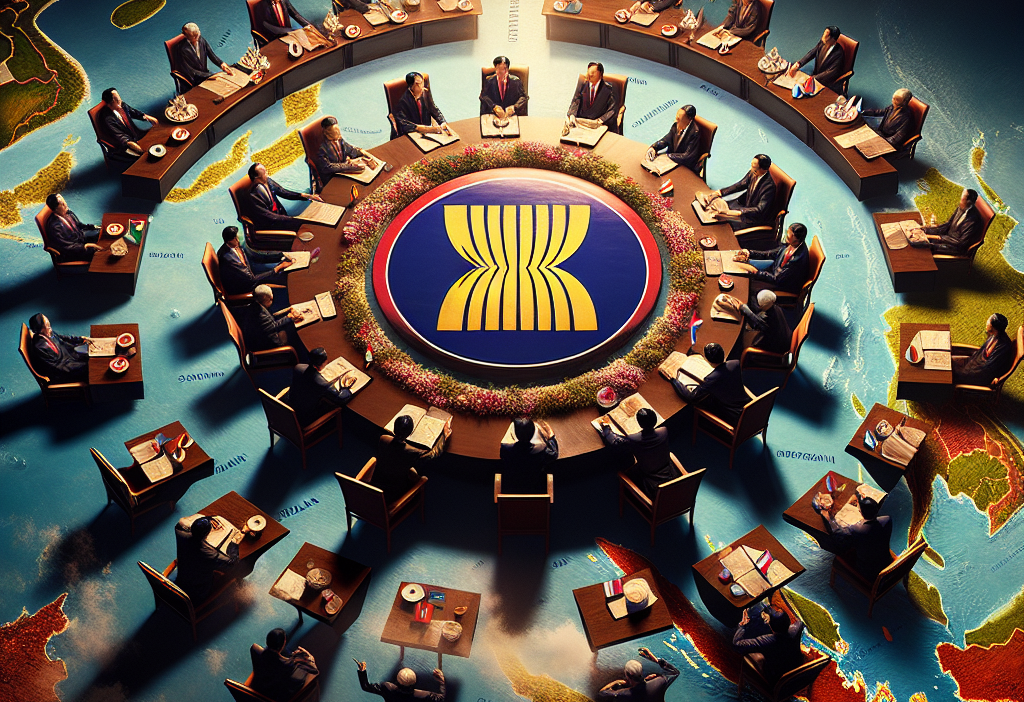
In an era where global dynamics are rapidly shifting, the Association of Southeast Asian Nations (ASEAN) stands as a beacon of regional cooperation and influence. 🌏 As a collective of ten Southeast Asian countries, ASEAN has played a pivotal role in shaping the political, economic, and social landscapes of the region. This article delves into ASEAN’s Role in Shaping Southeast Asia: A Look at Regional Cooperation and Influence, exploring its historical context, achievements, challenges, and future prospects.
Understanding ASEAN’s impact is essential not just for policymakers and scholars but also for businesses and individuals who navigate the complexities of this vibrant region. By the end of this article, you will gain a comprehensive understanding of how ASEAN fosters collaboration, promotes peace, and drives economic growth in Southeast Asia.
The Historical Context of ASEAN
Formation and Objectives
ASEAN was established on August 8, 1967, in Bangkok, Thailand, with the signing of the ASEAN Declaration (Bangkok Declaration). The founding members—Indonesia, Malaysia, the Philippines, Singapore, and Thailand—sought to promote regional stability and economic growth through cooperation. Over the years, Brunei, Vietnam, Laos, Myanmar, and Cambodia joined, expanding ASEAN’s influence.
Key Objectives of ASEAN:
- Promote Political Stability: Foster peace and security in the region.
- Enhance Economic Growth: Facilitate trade and investment among member states.
- Cultural Exchange: Promote understanding and cooperation among diverse cultures.
Milestones in ASEAN’s Development
ASEAN has achieved significant milestones since its inception. The establishment of the ASEAN Free Trade Area (AFTA) in 1992 marked a crucial step towards economic integration. The ASEAN Charter, adopted in 2007, provided a legal framework for the organization, enhancing its institutional capacity.
ASEAN’s Role in Regional Cooperation
Economic Integration
Trade Agreements
ASEAN has been instrumental in promoting economic integration through various trade agreements. The ASEAN Free Trade Area (AFTA) aims to reduce tariffs and facilitate trade among member states. In 2020, ASEAN signed the Regional Comprehensive Economic Partnership (RCEP) with China, Japan, South Korea, Australia, and New Zealand, creating the world’s largest trading bloc.
Benefits of AFTA and RCEP:
- Increased Trade Volume: Enhanced trade flows among member states.
- Market Access: Greater access to external markets for ASEAN countries.
Investment Promotion
ASEAN has also focused on attracting foreign direct investment (FDI). The ASEAN Investment Area (AIA) Agreement aims to create a more open and competitive investment environment. As a result, ASEAN has become a preferred destination for global investors, particularly in sectors like manufacturing, technology, and services.
Political Cooperation
Conflict Resolution
ASEAN plays a crucial role in maintaining peace and stability in Southeast Asia. The ASEAN Regional Forum (ARF) serves as a platform for dialogue on security issues. Through diplomatic engagement, ASEAN has successfully mediated conflicts, such as the Cambodian conflict in the 1990s.
Non-Interference Policy
One of ASEAN’s guiding principles is the non-interference policy, which respects the sovereignty of member states. While this approach has faced criticism, it has allowed ASEAN to maintain unity and stability in a region marked by diverse political systems.
Socio-Cultural Cooperation
Cultural Exchange Programs
ASEAN promotes cultural exchange through initiatives like the ASEAN Cultural Fund and the ASEAN Youth Volunteer Programme. These programs foster mutual understanding and appreciation of the region’s rich cultural diversity.
Education and Human Resource Development
ASEAN recognizes the importance of education in fostering regional cooperation. The ASEAN University Network (AUN) aims to enhance collaboration among universities, facilitating student and faculty exchanges.
ASEAN’s Influence on Economic Growth
Economic Resilience
Response to Global Crises
ASEAN has demonstrated remarkable resilience in the face of global economic challenges, such as the 1997 Asian Financial Crisis and the COVID-19 pandemic. The ASEAN Comprehensive Recovery Framework outlines strategies for economic recovery, emphasizing digital transformation and sustainable development.
Digital Economy
The digital economy is a key driver of growth in Southeast Asia. ASEAN’s Digital Integration Framework aims to enhance digital connectivity, promote e-commerce, and support startups. This initiative is crucial for harnessing the region’s potential in the digital age.
Sustainable Development
Environmental Cooperation
ASEAN recognizes the importance of sustainable development in addressing environmental challenges. The ASEAN Agreement on Transboundary Haze Pollution aims to combat air pollution caused by forest fires, promoting regional cooperation in environmental protection.
Climate Change Initiatives
ASEAN has taken proactive steps to address climate change through initiatives like the ASEAN Climate Change Initiative. This framework encourages member states to collaborate on climate adaptation and mitigation strategies.
Challenges Facing ASEAN
Geopolitical Tensions
ASEAN operates in a complex geopolitical landscape, with rising tensions in the South China Sea and competition between major powers like the United States and China. Balancing these interests while maintaining regional unity poses a significant challenge for ASEAN.
Internal Disparities
Despite its achievements, ASEAN faces internal disparities in economic development and governance. Countries like Singapore and Brunei enjoy high levels of prosperity, while others, such as Myanmar and Laos, struggle with poverty and political instability. Addressing these disparities is crucial for ASEAN’s long-term success.
Decision-Making Process
ASEAN’s consensus-based decision-making process can hinder timely responses to pressing issues. While this approach promotes unity, it may also lead to inaction in the face of urgent challenges.
The Future of ASEAN
Strengthening Regional Cooperation
Enhancing Institutional Capacity
To address emerging challenges, ASEAN must strengthen its institutional capacity. This includes enhancing the roles of ASEAN Secretariat and specialized agencies to facilitate more effective decision-making and implementation of initiatives.
Expanding Partnerships
ASEAN should continue to expand partnerships with external stakeholders, including international organizations, civil society, and the private sector. Collaborative efforts can enhance ASEAN’s influence on global issues, such as climate change and public health.
Embracing Innovation
Digital Transformation
As the digital economy continues to grow, ASEAN must embrace innovation to remain competitive. Initiatives that promote digital literacy, cybersecurity, and e-governance will be essential for fostering a resilient and inclusive digital economy.
Sustainable Practices
ASEAN’s commitment to sustainable development will shape its future. By prioritizing green technologies and sustainable practices, ASEAN can position itself as a leader in addressing global environmental challenges.
Conclusion
In conclusion, ASEAN’s Role in Shaping Southeast Asia: A Look at Regional Cooperation and Influence highlights the organization’s significant contributions to regional stability, economic growth, and cultural exchange. While challenges remain, ASEAN’s commitment to cooperation and collaboration positions it as a vital player in the global arena.
As we look to the future, it is essential for ASEAN to adapt to changing dynamics, embrace innovation, and strengthen partnerships. By doing so, ASEAN can continue to shape the trajectory of Southeast Asia, fostering a prosperous and harmonious region for generations to come.
FAQs
1. What is ASEAN?
ASEAN, or the Association of Southeast Asian Nations, is a regional organization comprising ten Southeast Asian countries, aimed at promoting political stability, economic growth, and cultural exchange.
2. How does ASEAN promote economic cooperation?
ASEAN promotes economic cooperation through initiatives like the ASEAN Free Trade Area (AFTA) and the Regional Comprehensive Economic Partnership (RCEP), which facilitate trade and investment among member states.
3. What are the main challenges facing ASEAN?
ASEAN faces challenges such as geopolitical tensions, internal disparities in economic development, and a consensus-based decision-making process that can hinder timely responses to urgent issues.
4. How does ASEAN address environmental issues?
ASEAN addresses environmental issues through agreements like the ASEAN Agreement on Transboundary Haze Pollution and initiatives focused on climate change adaptation and mitigation.
5. What is the future outlook for ASEAN?
The future of ASEAN will depend on its ability to strengthen regional cooperation, embrace digital transformation, and prioritize sustainable practices to remain competitive in a rapidly changing global landscape.
By understanding ASEAN’s Role in Shaping Southeast Asia: A Look at Regional Cooperation and Influence, readers can appreciate the complexities and opportunities that lie ahead for this dynamic region. 🌟