Introduction
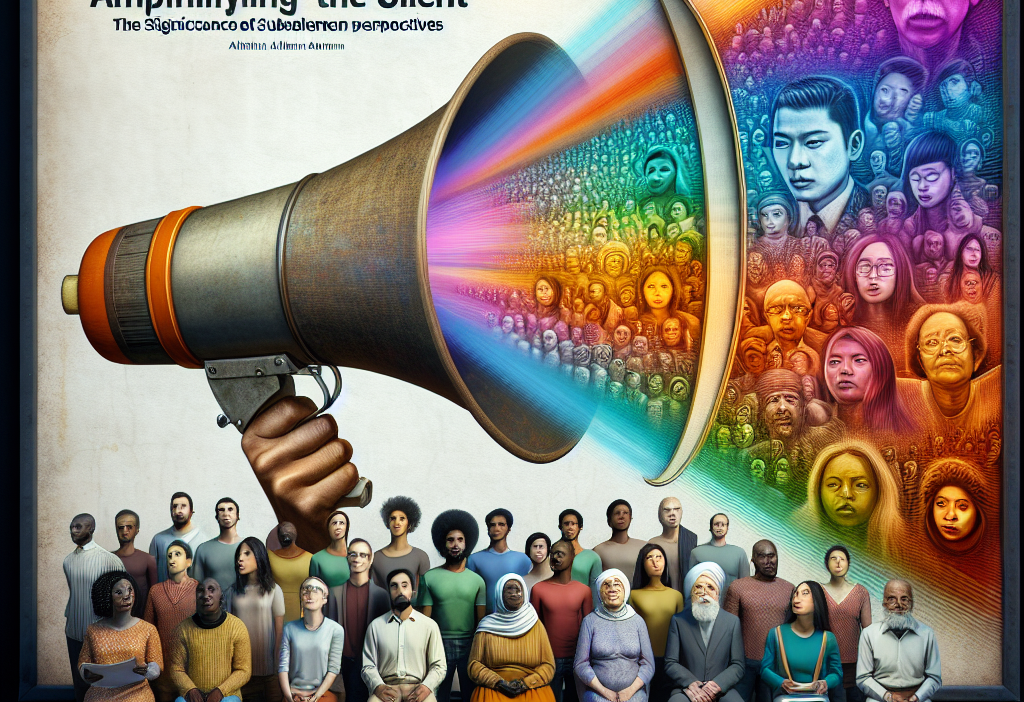
In a world that thrives on the exchange of ideas, narratives often overshadow those that are less heard, notably the perspectives of marginalized groups. This article, "Amplifying the Silent: The Significance of Subaltern Perspectives," dives deep into the importance of elevating these narratives. Subaltern voices are critical for a holistic understanding of our societies, cultures, and histories. By exploring these perspectives, we can foster inclusivity, stimulate social change, and contribute to a more balanced discourse.
Understanding the significance of subaltern perspectives is not just an academic exercise; it’s a vital practice that can empower individuals and communities alike. 🌍✨ This article will cover:
- The definition and historical context of subaltern perspectives.
- Why amplifying these voices matters in various spheres—education, politics, and social justice.
- Concrete steps for individuals and organizations to engage with and uplift these narratives.
- Case studies that highlight successful amplification of subaltern voices.
- Tools and strategies for ongoing engagement and advocacy.
Let’s embark on this journey together, as we seek to amplify the silent!
Understanding Subaltern Perspectives
What Does "Subaltern" Mean?
The term "subaltern" originates from the Latin root sub, meaning "under." In scholarly discourse, it refers to groups who exist outside of established power structures, often marginalized due to their social, economic, or political status. 🌐 The concept became popularized through the work of philosophers like Antonio Gramsci and later, postcolonial theorists such as Gayatri Chakravorty Spivak.
These perspectives are crucial for understanding broader social landscapes because they challenge dominant narratives that often ignore or misrepresent the lived experiences of these groups.
Historical Context
Historically, subaltern groups have included colonized subjects, racial minorities, women, and lower socioeconomic classes. In many societies, these voices were systematically silenced, leading to a persistent cycle of marginalization. Thinkers like Frantz Fanon documented the psychological effects of colonization, highlighting how these experiences shaped identity and consciousness.
Why History Matters
Recognizing this historical backdrop is essential when discussing "Amplifying the Silent: The Significance of Subaltern Perspectives." By understanding the historical injustices faced by subaltern groups, we can better appreciate the urgency and importance of amplifying their voices today.
The Importance of Amplifying Subaltern Perspectives
Social Justice
One of the most pressing reasons to amplify subaltern perspectives is the quest for social justice. When marginalized voices are heard, it paves the way for appropriate policies and societal changes that reflect the needs of diverse groups.
Example: Black Lives Matter
The Black Lives Matter movement showcases how amplifying marginalized voices can impact social justice. By elevating the narratives of those affected by systemic racism, the movement has fostered a global conversation about equality and justice. 📢✊
Education and Advocacy
In educational contexts, subaltern perspectives can reshape curricula, promoting critical thinking and empathy among students. When learners engage with diverse narratives, they develop a more nuanced understanding of the world.
Policy Change
Policymakers benefit from listening to subaltern perspectives. When laws and policies rupture norms established by privileged groups, it leads to more equitable outcomes.
Actionable Takeaway
Consider this: Policy proposals based on comprehensive stakeholder engagement, particularly from subaltern communities, have a higher chance of addressing root causes rather than merely treating symptoms.
Creating Platforms for Subaltern Voices
Steps for Individuals
- Listen Actively: Engaging with and validating subaltern narratives involves active listening. Attend community meetings or workshops to understand their context.
- Educate Yourself: Delve into literature and sources that highlight subaltern perspectives. Books, documentaries, and podcasts are great starting points.
- Share the Mic: Create opportunities for subaltern individuals to speak in spaces where they are often excluded.
Steps for Organizations
- Implement Diversity Training: Invest in training that focuses on the experiences and challenges subaltern groups face.
- Establish Partnerships: Collaborate with community organizations that represent subaltern voices to form authentic connections.
- Evaluate Impact: Continuous assessment of strategies to amplify these voices ensures that efforts are ongoing and effective.
Successful Case Studies of Amplifying Subaltern Voices
The Zapatista Movement
The Zapatista movement in Mexico is a powerful example of amplifying subaltern perspectives. By centering the narratives of indigenous peoples in Chiapas, the movement has transformed local and global discussions about autonomy, land rights, and social justice.
Indigenous Rights Movements
In the U.S., indigenous rights movements have been effective in amplifying the voices of Native American communities. Their protest during the Dakota Access Pipeline crisis highlighted the significance of indigenous land rights and environmental protection.
Grassroots Organizations
Organizations like The Trevor Project and Black Girls Code have successfully uplifted the narratives of LGBTQ+ youth and girls of color, respectively. Their work has not only brought visibility to these groups but has also resulted in tangible policy changes and wider societal acceptance.
Strategies for Ongoing Engagement
Building Community
Fostering relationships with marginalized communities is crucial. Engage in dialogue, build trust, and co-create initiatives that reflect their needs and aspirations.
Use of Technology
Social media and digital platforms can serve as powerful tools for grassroots movements. Harness these platforms to spread subaltern narratives and connect with a global audience. 🌐💬
Avoid Tokenism
Amplifying subaltern perspectives must be approached with sensitivity. Ensure that participation is genuine and not merely performative.
Education and Awareness Programs
Implement programs that aim at raising awareness about the experiences and contributions of subaltern groups in schools, workplaces, and communities.
Conclusion
Amplifying subaltern perspectives is not just a moral obligation; it is essential for fostering a more inclusive, equitable society. As we have explored, the significance of these voices reverberates across various realms – from social justice and education to policy change.
Empowerment Insight
By taking actionable steps to listen, engage, and elevate the narratives of subaltern groups, we contribute to a world where everyone’s voice matters. Let’s commit to amplifying the silent and creating a more just society for all.
FAQs
1. What are subaltern perspectives?
Subaltern perspectives refer to the voices and experiences of marginalized groups who exist outside traditional power structures. This includes historically colonized societies, racial minorities, and economic underclasses.
2. Why is it important to amplify these voices?
Amplifying subaltern voices is crucial for social justice, educational enrichment, and policy change, as it ensures a comprehensive understanding of societal issues.
3. How can individuals contribute to amplifying these perspectives?
Individuals can listen actively, educate themselves on subaltern narratives, and share platforms with marginalized voices.
4. What role do organizations play in this effort?
Organizations can implement diversity training, form partnerships with community groups, and continuously evaluate their impact to effectively amplify subaltern voices.
5. What are some examples of successful amplifications?
Successful examples include the Zapatista movement and indigenous rights movements in the U.S., among others, showcasing the power of collective narratives in enacting social change.
Final Notes
To further delve into the significance of subaltern perspectives and strategies for amplifying their voices, be sure to explore related resources at MyJRF. 📘✨
This article serves as a comprehensive guide to amplifying the silent voices in our society while engaging readers both intellectually and emotionally. By continuing this conversation and promoting these narratives, we can effect meaningful change.